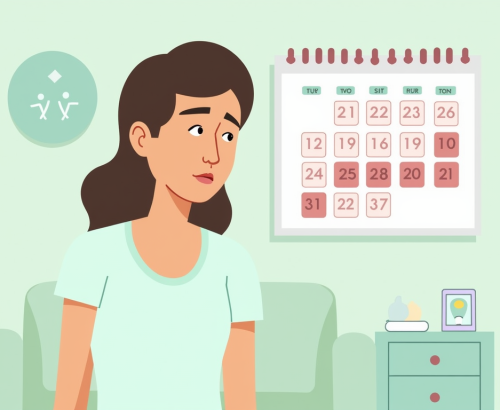
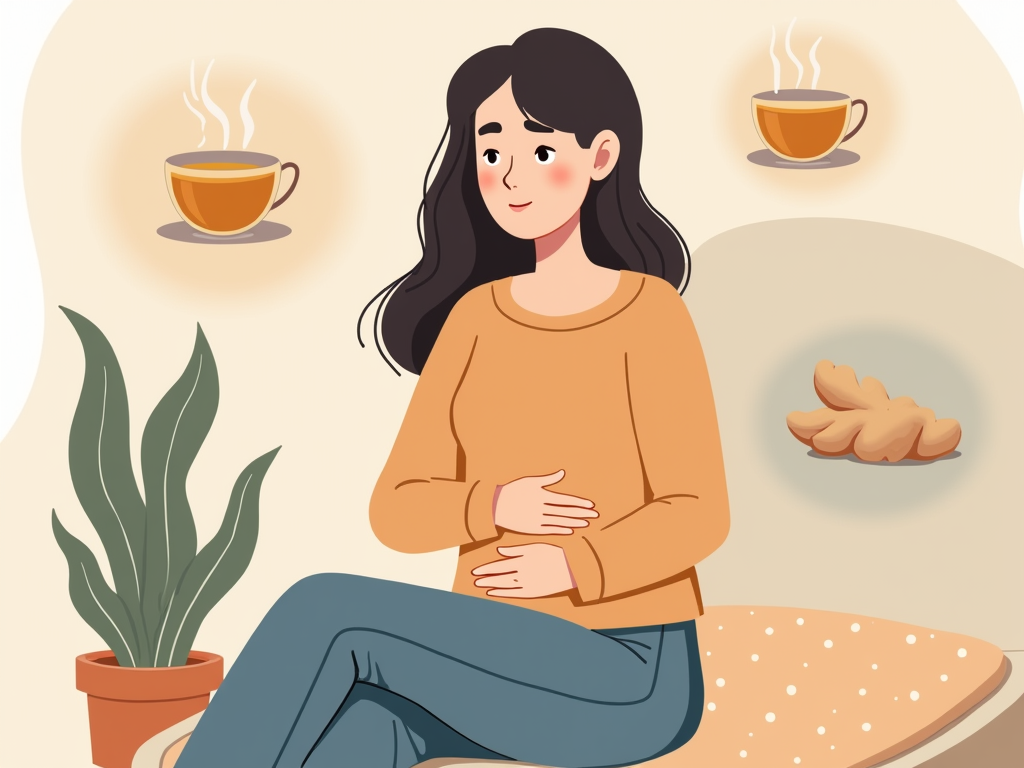
Period-related nausea and digestive issues are common concerns that can significantly affect your quality of life during menstruation. These symptoms are often linked to hormonal changes, but there are several strategies you can use to alleviate them and maintain comfort throughout your cycle. This guide offers practical tips to help manage and reduce period-related nausea and digestive issues.
Understanding Period-Related Nausea and Digestive Issues
1. Hormonal Fluctuations
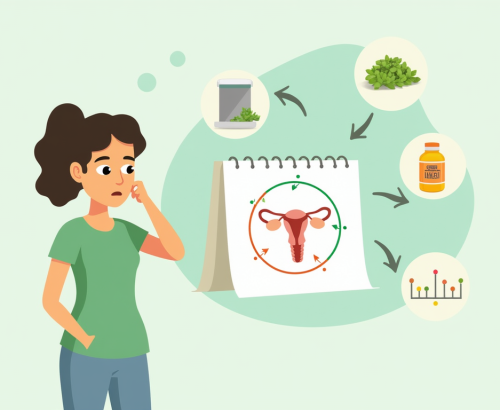
Estrogen and Progesterone: Fluctuations in estrogen and progesterone levels during your menstrual cycle can influence digestive function and cause nausea. These hormones affect gut motility and can lead to discomfort.
2. Prostaglandins
Inflammatory Compounds: Prostaglandins are hormone-like substances that increase during menstruation. They help the uterus contract but can also affect the gastrointestinal tract, leading to symptoms like nausea and diarrhea.
3. Stress and Anxiety
Impact on Digestion: Stress and anxiety can exacerbate digestive issues and nausea. Emotional stress during your period can contribute to gastrointestinal symptoms.
Strategies to Reduce Nausea
1. Maintain a Balanced Diet
Frequent, Small Meals: Eating small, frequent meals can help keep your blood sugar levels stable and prevent nausea. Opt for bland, easy-to-digest foods.
Ginger and Peppermint: Both ginger and peppermint are known to alleviate nausea. Ginger tea or peppermint tea can be soothing.
Avoid Greasy and Spicy Foods: These can exacerbate nausea. Stick to light, non-fatty foods that are easier on your stomach.
2. Stay Hydrated
Drink Water: Staying hydrated is essential for overall well-being and can help prevent nausea. Drink plenty of water throughout the day.
Electrolyte Drinks: If you experience vomiting or diarrhea, consider drinking electrolyte solutions to replenish lost fluids and minerals.
3. Manage Stress
Relaxation Techniques: Practice relaxation techniques such as deep breathing, meditation, or yoga to manage stress and reduce nausea.
Adequate Rest: Ensure you get enough sleep and rest to help your body cope with hormonal changes and reduce stress levels.
4. Avoid Triggers
Limit Caffeine and Alcohol: Both can contribute to nausea and digestive issues. Reduce or avoid these substances during your period.
Monitor Food Sensitivities: Keep track of any specific foods that trigger nausea and avoid them.
Strategies to Manage Digestive Issues
1. Eat a High-Fiber Diet
Include Fiber-Rich Foods: Incorporate fruits, vegetables, and whole grains into your diet to help regulate bowel movements and reduce bloating.
Stay Consistent: Regular fiber intake can support digestive health and alleviate constipation or diarrhea.
2. Stay Active
Regular Exercise: Gentle physical activity such as walking or yoga can help stimulate digestion and reduce bloating and cramping.
Avoid Overexertion: While exercise is beneficial, avoid high-intensity workouts if they exacerbate your symptoms.
3. Monitor Your Menstrual Cycle
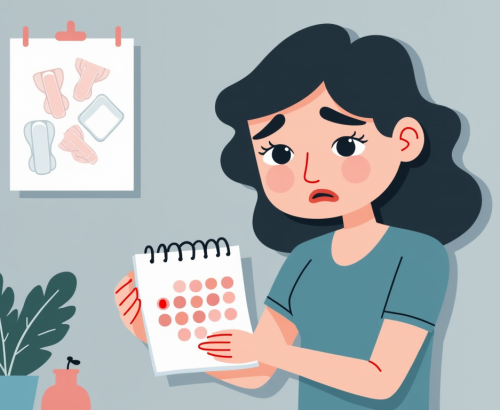
Track Symptoms: Keep a journal of your menstrual cycle and any digestive issues you experience. This can help identify patterns and triggers.
Consult a Healthcare Provider: If digestive issues are severe or persistent, consult a healthcare provider to rule out other conditions and receive personalized advice.
4. Use Over-the-Counter Remedies
Antacids: If you experience heartburn or acid reflux, over-the-counter antacids may provide relief.
Anti-Nausea Medications: Consider over-the-counter anti-nausea medications if needed, but use them as directed and consult with a healthcare provider if you have concerns.
Lifestyle Adjustments
1. Maintain a Healthy Weight
Balanced Diet and Exercise: Achieving and maintaining a healthy weight can help manage hormonal imbalances and reduce the severity of period-related symptoms.
Consult a Nutritionist: A nutritionist can provide personalized dietary recommendations to support overall health and reduce menstrual symptoms.
2. Practice Good Sleep Hygiene
Regular Sleep Schedule: Maintain a consistent sleep schedule to support overall health and help manage stress and hormonal fluctuations.
Create a Relaxing Environment: Ensure your sleep environment is conducive to rest, with a comfortable mattress and minimal distractions.
3. Explore Herbal Remedies
Herbal Teas: Consider herbal teas such as chamomile or fennel, which can aid digestion and soothe the stomach.
Consult a Professional: Always consult with a healthcare provider before using herbal remedies to ensure they are safe and appropriate for you.