
Creating a relaxing period care routine can significantly enhance your comfort and well-being during your menstrual cycle. By incorporating self-care practices and mindful habits, you can ease discomfort, manage symptoms, and enjoy a more balanced experience. Here’s a step-by-step guide to help you create a soothing period care routine.
1. Plan Your Period Care Routine
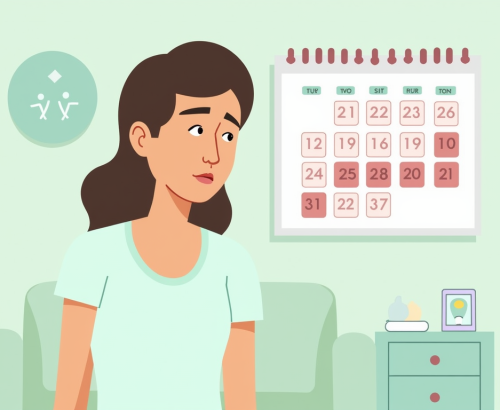
Mark Your Calendar
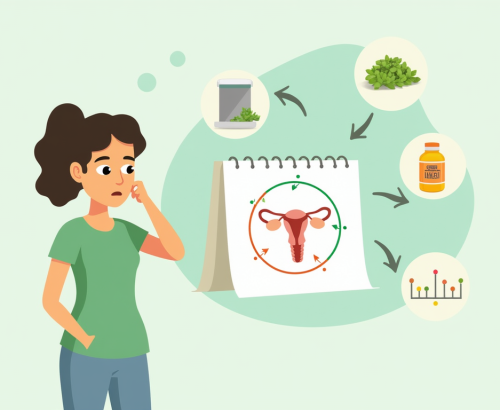
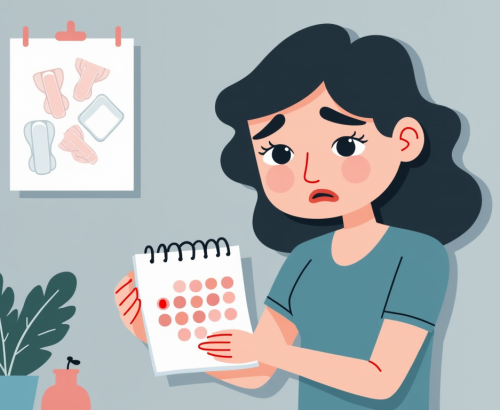
Track Your Cycle: Use a period tracker app or calendar to mark the start and end dates of your menstrual cycle. This helps you prepare in advance and plan your self-care activities.
Set Reminders: Schedule reminders for tasks like changing sanitary products or taking medications, if needed.
Gather Supplies
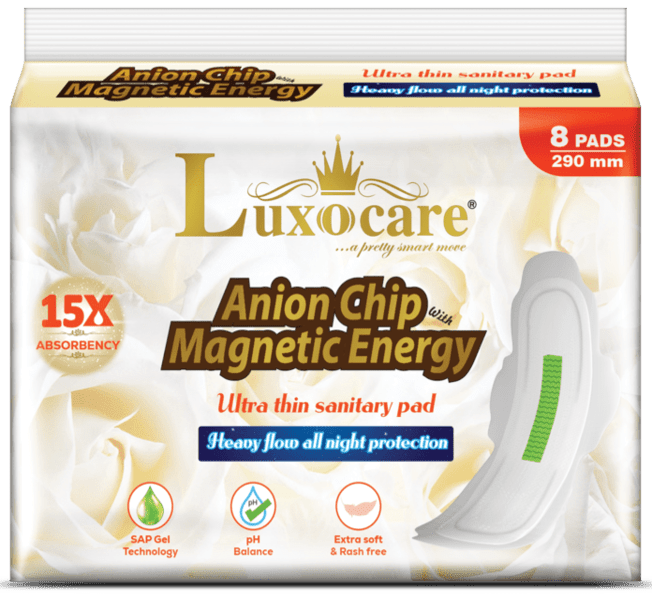
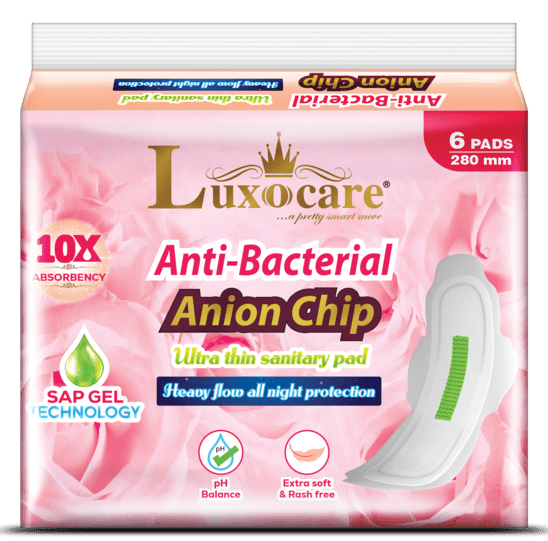
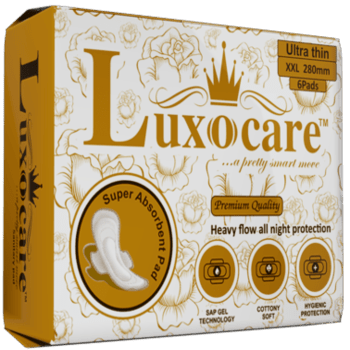
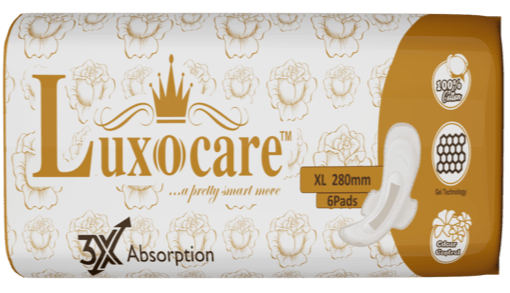
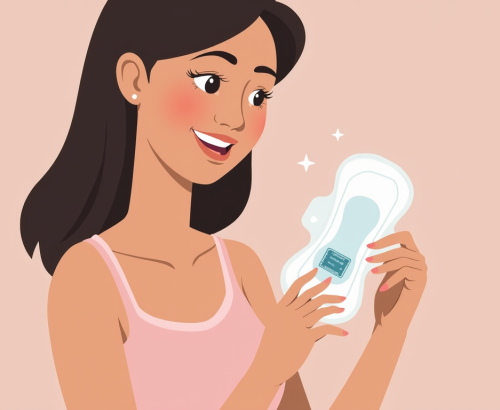
Sanitary Products: Stock up on your preferred sanitary products, such as pads, tampons, or menstrual cups. Consider options with features like high absorbency or breathable materials for added comfort.
Comfort Items: Prepare comfort items like heating pads, herbal teas, and essential oils for pain relief and relaxation.
2. Create a Comfort Zone
Set Up a Relaxation Space
Comfortable Environment: Designate a cozy space where you can unwind during your period. Arrange soft blankets, pillows, and a comfortable chair or bed.
Soothing Atmosphere: Use dim lighting, calming scents (like lavender), and soft music to create a soothing atmosphere.
Practice Gentle Activities
Relaxation Techniques: Engage in relaxation techniques such as deep breathing, meditation, or gentle stretching to reduce stress and ease menstrual discomfort.
Mindful Activities: Consider activities like reading, journaling, or watching a favorite movie to distract yourself and boost your mood.
3. Manage Pain and Discomfort
Use Heat Therapy
Heating Pads: Apply a heating pad or hot water bottle to your lower abdomen to help relieve menstrual cramps and muscle tension.
Warm Baths: Take a warm bath with Epsom salts or essential oils to relax your muscles and soothe your body.
Stay Hydrated and Nourished
Drink Water: Stay hydrated by drinking plenty of water throughout your period. Hydration helps reduce bloating and supports overall well-being.
Healthy Snacks: Choose nutritious snacks like fruits, nuts, and yogurt to keep your energy levels up and manage cravings.
Try Natural Remedies
Herbal Teas: Drink herbal teas like chamomile or ginger tea, which can help alleviate menstrual cramps and reduce bloating.
Essential Oils: Use essential oils such as lavender or peppermint for massage or in a diffuser to ease discomfort and promote relaxation.
4. Maintain Good Hygiene
Change Sanitary Products Regularly
Prevent Discomfort: Change your sanitary products regularly to maintain comfort and prevent irritation or infections.
Choose the Right Products: Opt for products that suit your flow and comfort preferences, such as ultra-thin pads or organic options.
Practice Proper Hygiene
Clean Gently: Use mild, unscented soap and water to clean the genital area. Avoid harsh soaps or douches, which can disrupt the natural pH balance.
Stay Dry: Ensure the area is dry after washing to prevent irritation or fungal infections.
5. Incorporate Gentle Exercise
Choose Low-Impact Activities
Yoga and Stretching: Gentle yoga poses and stretching exercises can help relieve menstrual cramps and improve circulation.
Walking: A light walk can help boost your mood and reduce bloating and discomfort.
Listen to Your Body
Adjust Intensity: Modify your exercise routine based on how you feel. If you’re experiencing severe cramps or fatigue, opt for more restful activities.
6. Focus on Mental Well-Being
Manage Stress
Relaxation Practices: Engage in relaxation practices such as mindfulness meditation, deep breathing exercises, or listening to calming music.
Positive Affirmations: Use positive affirmations or gratitude exercises to uplift your mood and promote a positive mindset.
Seek Support
Talk to Someone: Share your experiences and feelings with a trusted friend or family member. Sometimes, simply talking about your period can provide emotional relief.
Professional Help: If you experience severe discomfort or emotional challenges during your period, consider consulting a healthcare professional for support and guidance.
7. Plan for After Your Period
Review Your Routine
Evaluate: Reflect on what worked well in your period care routine and what could be improved for next time.
Adjust: Make any necessary adjustments to better meet your needs in future cycles.
Prepare for the Next Cycle
Stock Up: Ensure you have all necessary supplies and comfort items ready for your next period.
Plan Ahead: Mark your calendar for your next cycle and schedule any follow-up appointments or self-care activities.