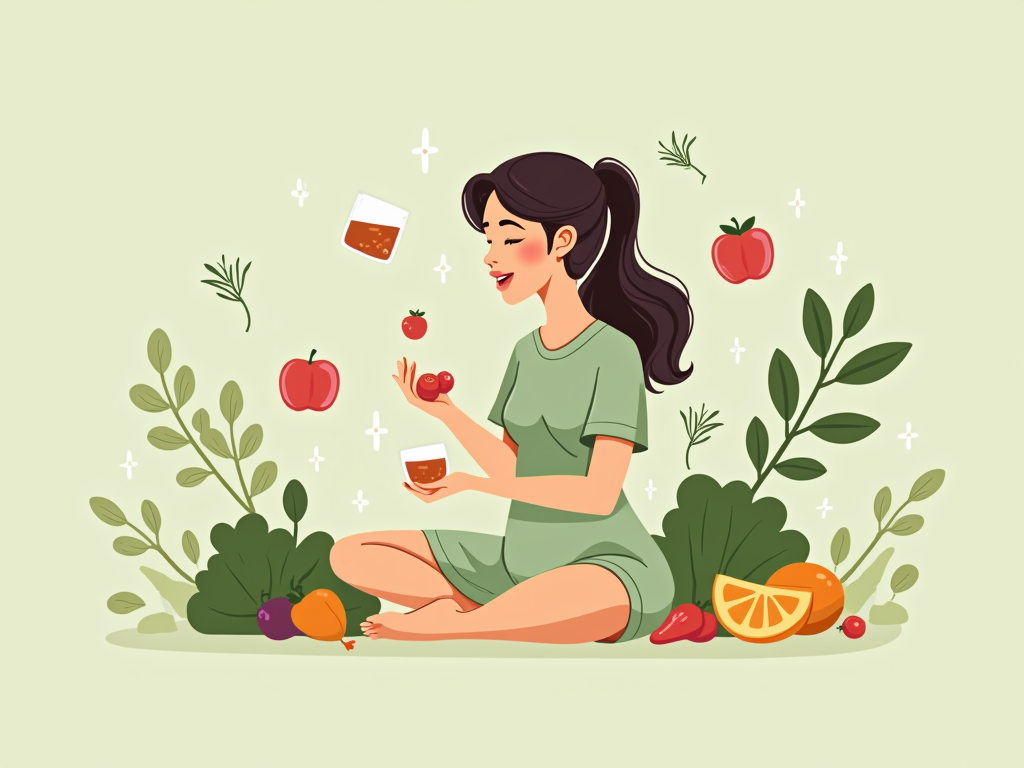
Period bloating is a common discomfort experienced by many women during their menstrual cycle. It can make you feel swollen, heavy, and uncomfortable, but there are natural remedies that can help alleviate these symptoms. In this guide, we’ll explore easy-to-follow strategies to manage period bloating and feel more comfortable.
What Causes Period Bloating?
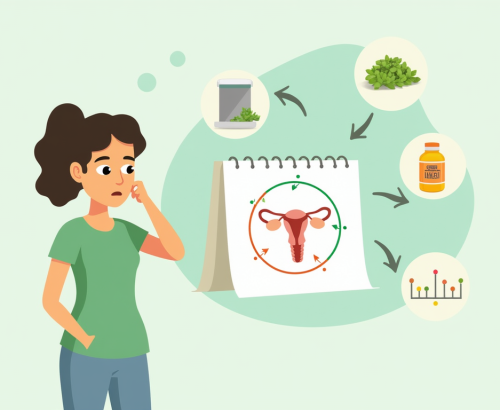
Period bloating is often caused by hormonal changes in your body during your menstrual cycle. Just before your period starts, levels of estrogen and progesterone fluctuate, which can lead to water retention and a feeling of fullness in your abdomen. Other factors such as diet, stress, and lifestyle can also contribute to bloating.
Natural Remedies to Ease Period Bloating
1. Stay Hydrated
Drinking plenty of water is one of the simplest and most effective ways to reduce bloating. Staying hydrated helps flush out excess sodium from your body, which can reduce water retention. Aim to drink at least 8 glasses of water a day. Herbal teas like peppermint or ginger tea can also aid in digestion and reduce bloating.
2. Eat a Balanced Diet
Eating a balanced diet can help manage bloating. Focus on foods that are high in fiber, such as fruits, vegetables, and whole grains. Fiber helps regulate digestion and prevent constipation, which can contribute to bloating. Avoid salty and processed foods, as they can increase water retention and make bloating worse.
3. Reduce Salt Intake
Excessive salt in your diet can cause your body to retain water, leading to increased bloating. Try to limit your intake of salty foods, such as chips, canned soups, and processed snacks. Instead, use herbs and spices to flavor your meals. Opt for low-sodium or no-sodium versions of packaged foods.
4. Incorporate Probiotics
Probiotics are beneficial bacteria that help maintain a healthy balance in your gut. Including probiotic-rich foods like yogurt, kefir, and fermented vegetables in your diet can improve digestion and reduce bloating. Probiotics help prevent gas and bloating by supporting healthy gut flora.
5. Exercise Regularly
Regular physical activity can help reduce bloating by promoting healthy digestion and reducing fluid retention. Aim for at least 30 minutes of moderate exercise most days of the week. Activities like walking, jogging, and yoga can be particularly effective in alleviating bloating. Gentle movements and stretching can also help relieve abdominal discomfort.
6. Try Herbal Remedies
Certain herbs can help alleviate period bloating and discomfort. For example:
Ginger: Ginger has natural anti-inflammatory properties that can reduce bloating and relieve nausea. You can consume ginger in tea, capsules, or add it to your meals.
Peppermint: Peppermint tea can help relax the muscles in your digestive tract and reduce bloating and gas.
Fennel Seeds: Fennel seeds have been used traditionally to aid digestion and reduce bloating. Chewing a small amount of fennel seeds or drinking fennel tea can be helpful.
7. Manage Stress
Stress can exacerbate bloating and other menstrual symptoms. Practicing stress-reducing techniques such as deep breathing, meditation, or mindfulness can help alleviate bloating. Engaging in activities that you enjoy and finding time to relax can also support your overall well-being.
8. Get Enough Sleep
Adequate sleep is crucial for overall health and can help manage bloating. Aim for 7-9 hours of quality sleep each night. Establishing a regular sleep routine and creating a restful environment can improve the quality of your sleep and help reduce menstrual symptoms.
9. Avoid Carbonated Drinks
Carbonated beverages, like soda and sparkling water, can contribute to bloating by increasing the amount of gas in your digestive system. Opt for non-carbonated drinks such as herbal teas or plain water. If you enjoy flavored drinks, try infusing water with fruits and herbs for a refreshing alternative.
10. Eat Smaller, More Frequent Meals
Instead of consuming large meals, try eating smaller, more frequent meals throughout the day. This can help prevent overeating and reduce bloating. Smaller meals are easier for your digestive system to handle, and they can help maintain steady energy levels.