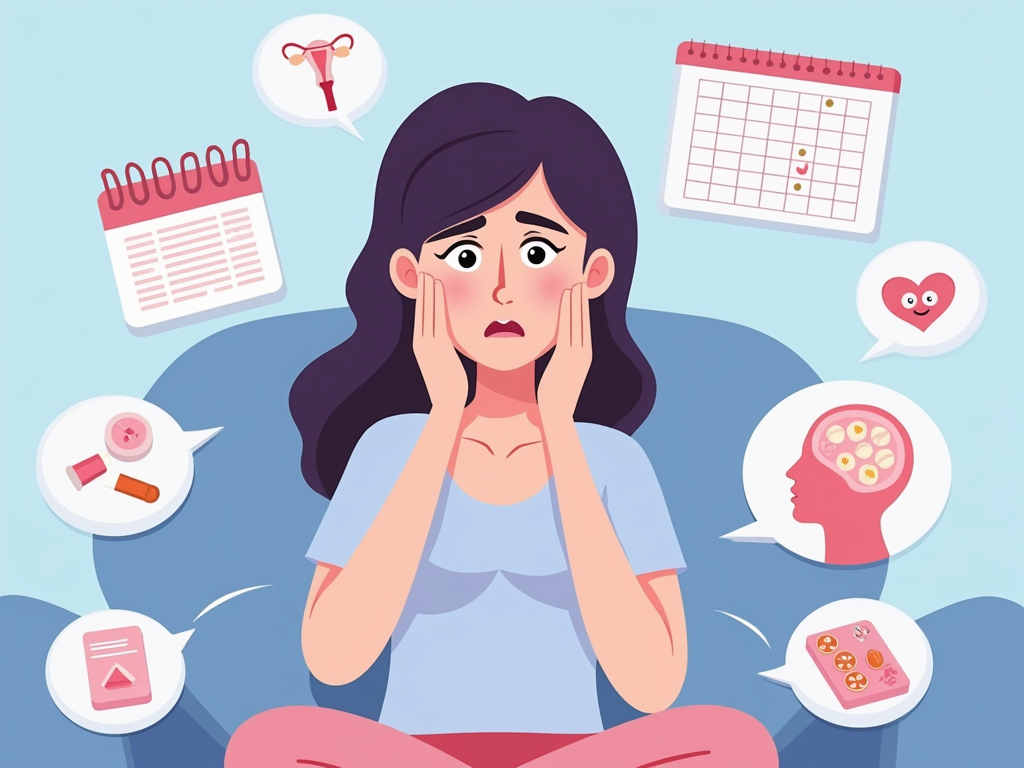
Menstrual migraines are a common issue for many women, characterized by headaches that are closely linked to the menstrual cycle. These migraines can be debilitating, affecting your daily life and well-being. Understanding the causes and exploring effective treatments can help manage these migraines and improve your quality of life.
What Are Menstrual Migraines?
Menstrual migraines are headaches that occur in relation to your menstrual cycle. They typically happen just before or during your period, although they can also occur at other times in your cycle. Unlike regular headaches, menstrual migraines are often more intense and can be accompanied by symptoms such as nausea, vomiting, and sensitivity to light and sound.
Causes of Menstrual Migraines
Hormonal Fluctuations
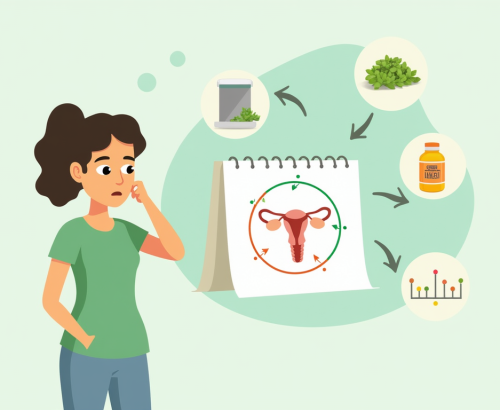
The primary cause of menstrual migraines is hormonal fluctuations. The levels of estrogen and progesterone change throughout your menstrual cycle, and these changes can trigger migraines in some women. The drop in estrogen levels that occurs just before menstruation is particularly linked to the onset of migraines.
Estrogen Withdrawal
As estrogen levels fall before the start of your period, this withdrawal can trigger migraines. Women who are sensitive to hormonal changes may experience more severe headaches during this time.
Menstrual Cycle-Related Changes
Certain phases of your menstrual cycle can influence the frequency and severity of migraines. For example, migraines might be more likely to occur during the premenstrual phase (PMS) or the early days of your period when hormone levels are fluctuating.
Genetics
A family history of migraines can increase your likelihood of experiencing menstrual migraines. If your close relatives also suffer from migraines, you may be more susceptible to them.
Lifestyle Factors
Certain lifestyle factors, such as stress, poor sleep, and diet, can contribute to the frequency and severity of menstrual migraines. Identifying and managing these triggers can help reduce the impact of migraines on your life.
Symptoms of Menstrual Migraines
Menstrual migraines can present with a range of symptoms, including:
Severe Headache: Often on one side of the head, with a throbbing or pulsating quality.
Nausea and Vomiting: Feeling sick to your stomach or throwing up.
Sensitivity to Light and Sound: Becoming more sensitive to bright lights and loud noises.
Visual Disturbances: Seeing flashes of light or experiencing blurred vision (aura).
Fatigue: Feeling unusually tired or drained.
Treatments for Menstrual Migraines
1. Over-the-Counter Medications
Non-prescription medications can help alleviate the symptoms of menstrual migraines. Pain relievers like ibuprofen (Advil) or acetaminophen (Tylenol) can reduce headache pain. For more severe migraines, over-the-counter migraine medications like those containing a combination of acetaminophen, aspirin, and caffeine (Excedrin) might be effective.
2. Prescription Medications
If over-the-counter options are not effective, consult your healthcare provider for prescription medications. Triptans, such as sumatriptan (Imitrex) or rizatriptan (Maxalt), are often prescribed for migraine relief. These medications help relieve symptoms by targeting specific brain pathways involved in migraines.
3. Hormonal Treatments
Hormonal treatments can help manage menstrual migraines by stabilizing hormone levels. Birth control pills or hormone patches can be used to regulate estrogen levels and reduce the frequency of migraines. Your healthcare provider can discuss the best options for you based on your specific needs and health profile.
4. Lifestyle Modifications
Making changes to your lifestyle can help manage menstrual migraines:
Stress Management: Practice relaxation techniques such as deep breathing, meditation, or yoga to reduce stress levels.
Regular Exercise: Engage in regular physical activity to improve overall health and reduce migraine frequency.
Healthy Diet: Eat a balanced diet and avoid known migraine triggers, such as caffeine, alcohol, and certain foods.
Adequate Sleep: Maintain a regular sleep schedule and ensure you get enough restful sleep each night.
5. Alternative Therapies
Some people find relief from menstrual migraines through alternative therapies:
Acupuncture: Involves inserting fine needles into specific points on the body to relieve migraine symptoms.
Biofeedback: Teaches you how to control physiological functions, such as muscle tension and heart rate, to manage migraine symptoms.
Herbal Remedies: Certain herbs, like feverfew or butterbur, have been studied for their potential to reduce migraine frequency and severity. Consult with a healthcare provider before starting any herbal treatments.
6. Tracking and Monitoring
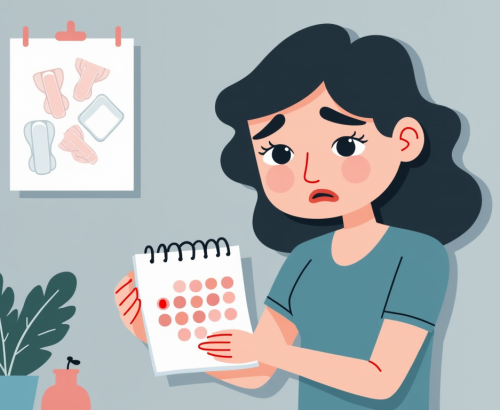
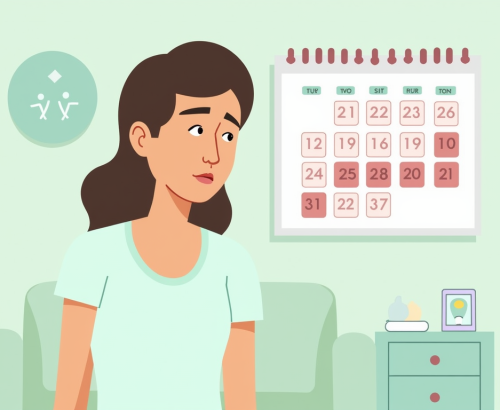
Keeping a migraine diary can help you identify patterns and triggers associated with your menstrual migraines. Track when migraines occur, their severity, and any possible triggers or contributing factors. This information can help you and your healthcare provider develop a more effective treatment plan.