
Handling your period during special occasions can be challenging, but with the right preparation and mindset, you can manage it smoothly. Whether it’s a wedding, a vacation, or an important event, these tips will help you stay comfortable and confident.
Preparation is Key
1. Track Your Cycle
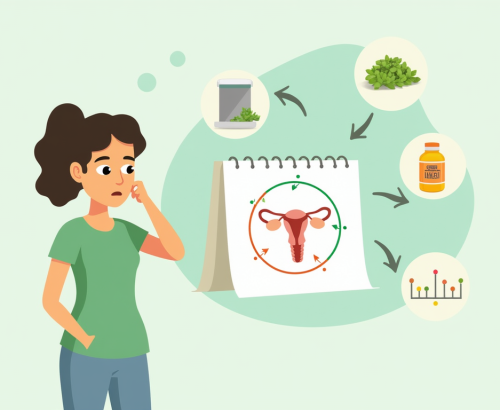
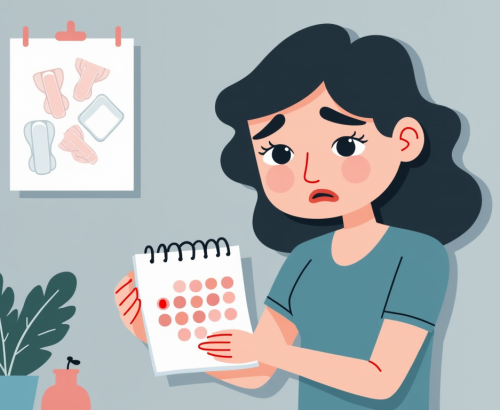
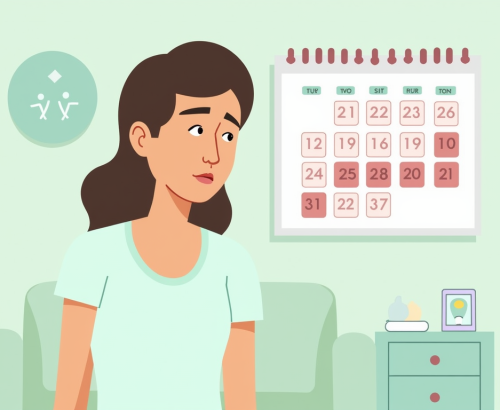
Use a Period Tracker: Knowing when your period is due can help you plan accordingly. Use a period tracking app or a calendar to predict your cycle.
Be Prepared for Surprises: Even with tracking, periods can sometimes be unpredictable. Always have a backup plan.
2. Pack Essentials
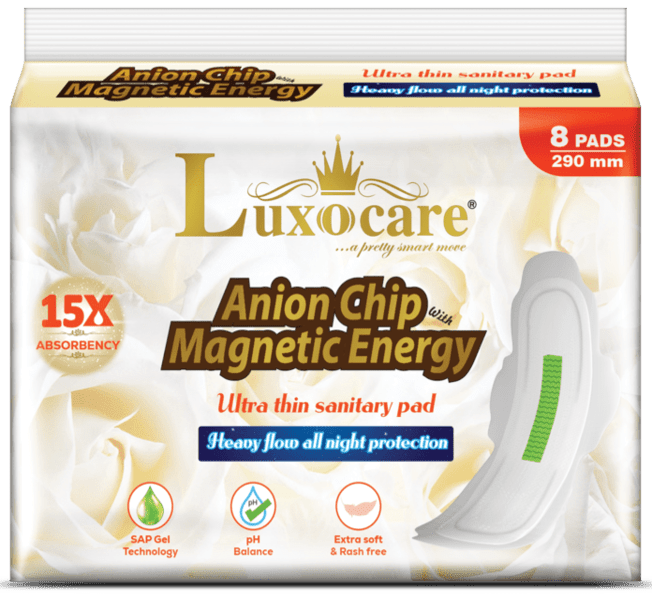
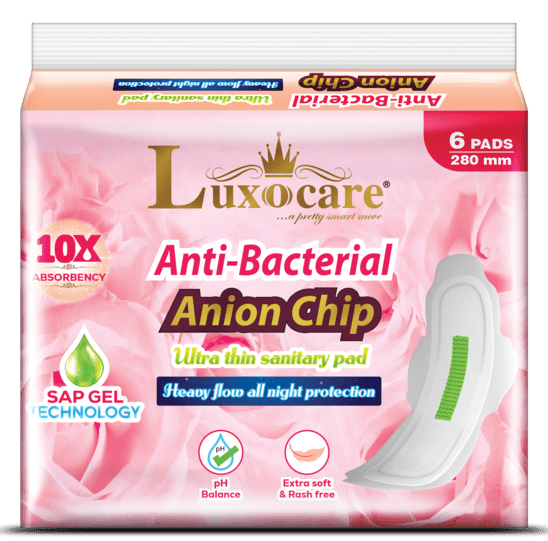
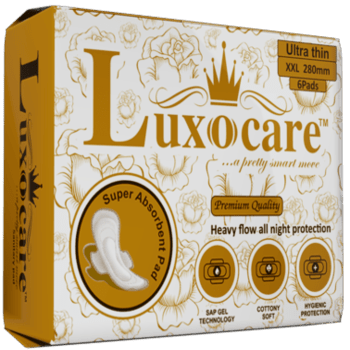
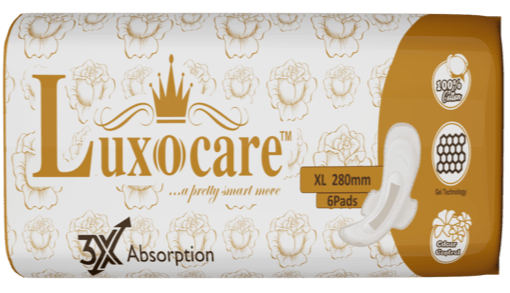
Sanitary Products: Bring an adequate supply of pads, tampons, or menstrual cups. Consider carrying a variety of products to suit different flow levels.
Extra Underwear and Clothing: Accidents happen. Pack extra underwear and a change of clothes just in case.
Pain Relief: Bring over-the-counter painkillers like ibuprofen or acetaminophen to manage cramps.
Hygiene Products: Carry wet wipes, hand sanitizer, and disposable bags for easy disposal of used products.
Managing Symptoms
1. Pain Relief
Medication: Take painkillers as recommended by your doctor to alleviate cramps and discomfort.
Heat Therapy: Use a portable heating pad or heat patches for on-the-go relief from cramps.
2. Stay Hydrated
Drink Water: Staying hydrated can reduce bloating and help you feel better overall.
Avoid Caffeine and Alcohol: These can increase bloating and discomfort. Opt for herbal teas or water instead.
3. Eat Balanced Meals
Nutritious Foods: Eat balanced meals with plenty of fruits, vegetables, whole grains, and lean proteins to maintain energy levels.
Small, Frequent Meals: Eating smaller, frequent meals can help manage nausea and keep your energy up.
Clothing and Comfort
1. Choose Comfortable Clothing
Breathable Fabrics: Opt for breathable fabrics like cotton to stay comfortable and reduce irritation.
Dark Colors: Wearing dark-colored clothing can help hide any potential leaks.
Comfortable Fit: Choose clothing that is comfortable and not too tight around the waist to avoid adding pressure to your abdomen.
2. Layering
Extra Layers: Wear extra layers, like an additional pair of underwear or a light pad, for added protection and peace of mind.
Layered Clothing: Layering your clothes can help you stay warm and comfortable if you experience chills or temperature fluctuations.
Staying Active
1. Gentle Exercise
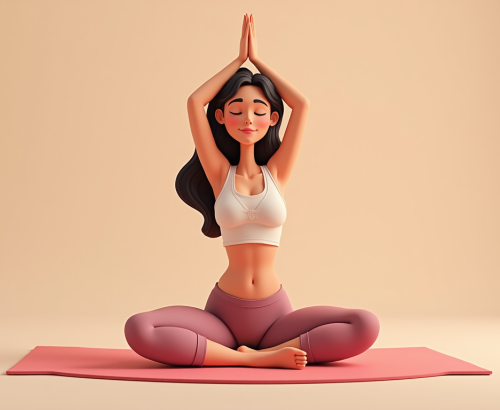
Light Activities: Engage in light activities such as walking, stretching, or gentle yoga to help reduce cramps and improve mood.
Listen to Your Body: Avoid strenuous activities if you’re not feeling up to it. Rest if needed.
2. Comfortable Movement
Adapt Activities: Choose activities that are comfortable and allow you to move freely. Avoid high-impact exercises if you’re experiencing heavy flow or severe cramps.
Emotional Well-being
1. Practice Self-care
Relaxation Techniques: Practice relaxation techniques such as deep breathing, meditation, or listening to calming music to reduce stress.
Take Breaks: Allow yourself to take breaks if you’re feeling overwhelmed or tired.
2. Stay Positive
Mindset: Focus on enjoying the occasion rather than stressing about your period. Keep a positive mindset and remember that you are prepared.
Support System: Share your concerns with a trusted friend or family member who can provide support and understanding.
Emergency Preparedness
1. Identify Restrooms
Location: Familiarize yourself with the location of restrooms at the venue. Knowing where they are can help you feel more at ease.
Frequent Visits: Make frequent trips to the restroom to check and change your sanitary products as needed.
2. Have a Plan
Exit Strategy: Have a discreet exit strategy if you need to take a break or deal with an emergency.
Support: Inform a close friend or family member about your situation so they can assist you if needed.
Traveling During Your Period
1. Plan Ahead
Pack Extras: When traveling, pack extra sanitary products, pain relief, and comfortable clothing.
Hydration and Snacks: Carry a water bottle and healthy snacks to stay hydrated and maintain energy levels.
2. In-Transit Comfort
Comfortable Seating: Choose comfortable seating and use a small pillow or cushion for added comfort.
Restroom Access: On long trips, plan for frequent restroom breaks to change your sanitary products.