
Periods can come with a variety of challenges, and for many people, skin irritation, itching, and rashes are common issues. Understanding why these problems occur and how to address them can help you manage your menstrual cycle more comfortably. In this guide, we’ll explore the causes of period-related skin issues and offer practical tips for prevention and relief.
What Causes Period-Related Skin Issues?
Hormonal Changes
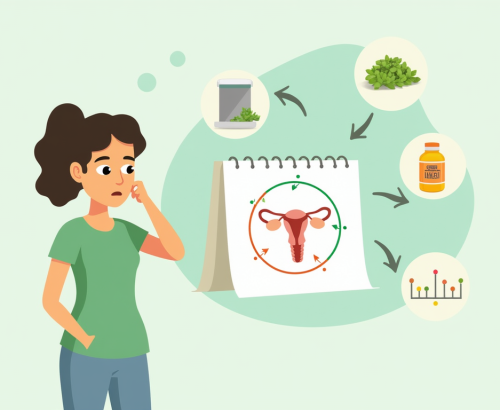
During your period, hormonal fluctuations can affect your skin. Estrogen and progesterone levels rise and fall, which can lead to increased sensitivity, dryness, or oiliness. These changes can make your skin more prone to irritation and rashes.
Contact Dermatitis
Contact dermatitis occurs when your skin reacts to substances it comes into contact with, such as certain materials in sanitary products. Fragrances, dyes, or chemicals in pads and tampons can cause irritation or allergic reactions.
Moisture Build-Up
Periods often involve increased moisture in the genital area, which can contribute to irritation. Prolonged exposure to moisture can lead to chafing, itching, and rashes.
Friction
Sanitary pads and tampons can cause friction against your skin, particularly if they are not the right fit or if you are using them for long periods. This friction can lead to irritation and discomfort.
Bacterial and Yeast Infections
Hormonal changes during your period can create a favorable environment for bacterial and yeast infections. These infections can cause itching, redness, and skin rashes.
How to Prevent Period-Related Skin Issues
Choose the Right Sanitary Products
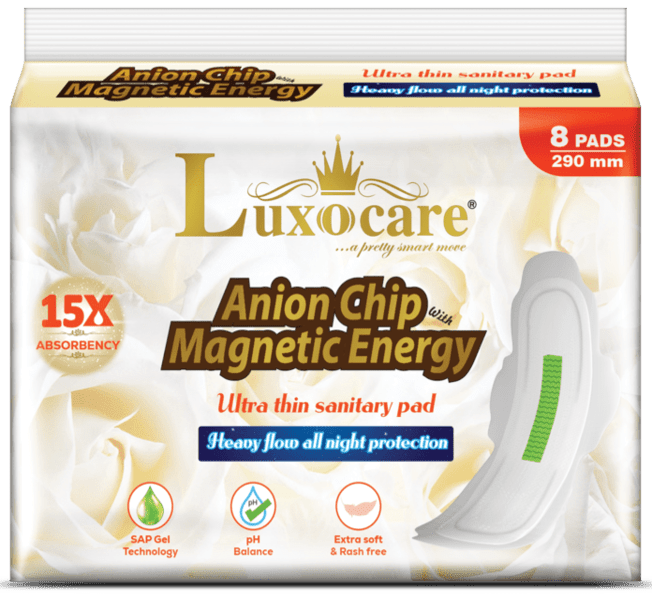
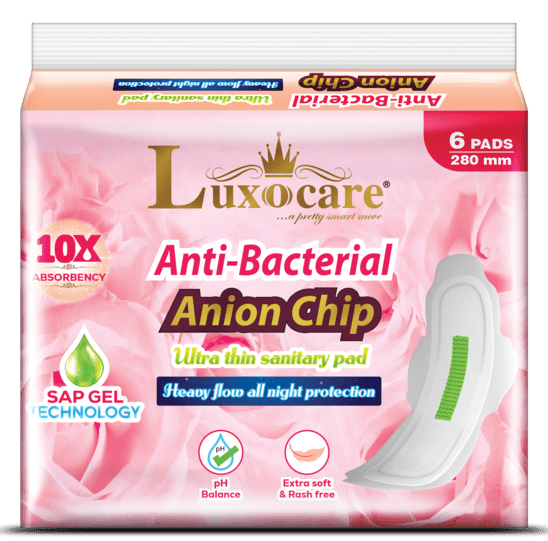
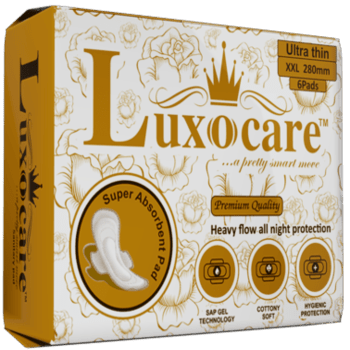
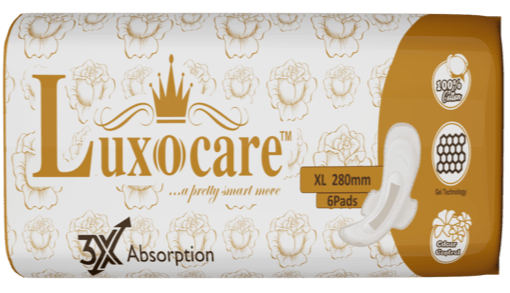
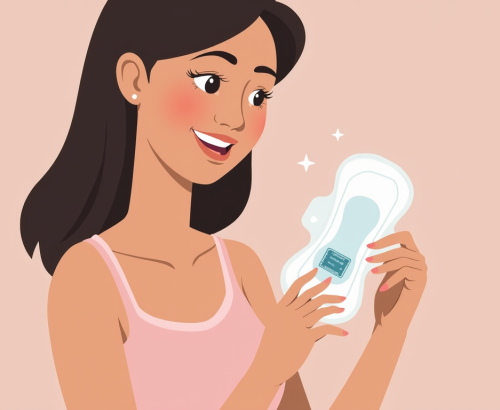
Select sanitary products that are gentle on your skin. Opt for pads and tampons made from natural, hypoallergenic materials and avoid products with added fragrances or dyes. Look for products designed for sensitive skin to reduce the risk of irritation.
Maintain Proper Hygiene
Keep the genital area clean and dry. Change sanitary pads and tampons regularly to prevent moisture build-up. Washing with mild, unscented soap and water can help maintain cleanliness without causing irritation.
Wear Breathable Clothing
Choose breathable, cotton underwear and avoid tight-fitting clothing. Breathable fabrics help reduce moisture and allow air to circulate, which can help prevent irritation and rashes.
Avoid Irritants
Avoid using products that can irritate your skin, such as scented body washes, lotions, or feminine sprays. Stick to unscented, gentle products to minimize the risk of skin reactions.
Change Pads and Tampons Regularly
Ensure you change your sanitary products frequently to prevent moisture build-up and reduce the risk of irritation. Following the recommended usage times will help keep your skin comfortable and dry.
How to Relieve Period-Related Skin Issues
Use Soothing Creams
If you experience itching or irritation, apply a soothing, fragrance-free cream or ointment. Look for products with ingredients like aloe vera, chamomile, or calendula, which can help calm and heal irritated skin.
Apply Cold Compresses
A cold compress can provide immediate relief from itching and redness. Gently apply a cool, damp cloth to the affected area for a few minutes to reduce inflammation and soothe discomfort.
Avoid Scratching
Scratching can worsen irritation and lead to further inflammation or infection. Try to resist the urge to scratch and instead use soothing creams or cold compresses to manage discomfort.
Stay Hydrated
Drinking plenty of water can help keep your skin hydrated and reduce dryness. Proper hydration supports overall skin health and can minimize the risk of irritation and rashes.
Consult a Healthcare Professional
If you experience persistent or severe skin issues, consult a healthcare professional. They can help identify the underlying cause of your symptoms and recommend appropriate treatments or medications.
When to Seek Medical Advice
Persistent Symptoms
If you have ongoing irritation, itching, or rashes that do not improve with self-care measures, seek medical advice. Persistent symptoms could indicate an underlying issue that requires professional treatment.
Severe Discomfort
If you experience severe discomfort, swelling, or pain, consult a healthcare provider. Severe symptoms may require medical evaluation to rule out infections or other health concerns.
Signs of Infection
If you notice symptoms such as unusual discharge, strong odor, or intense itching, seek medical attention. These signs could indicate a bacterial or yeast infection that needs treatment.