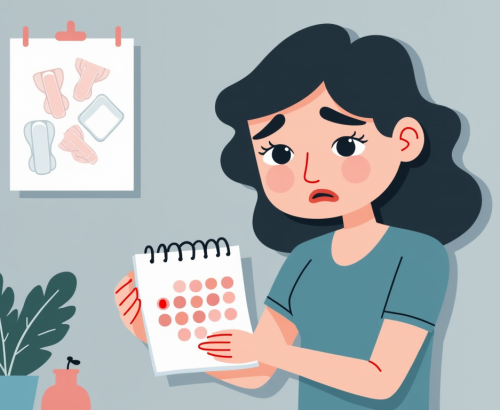
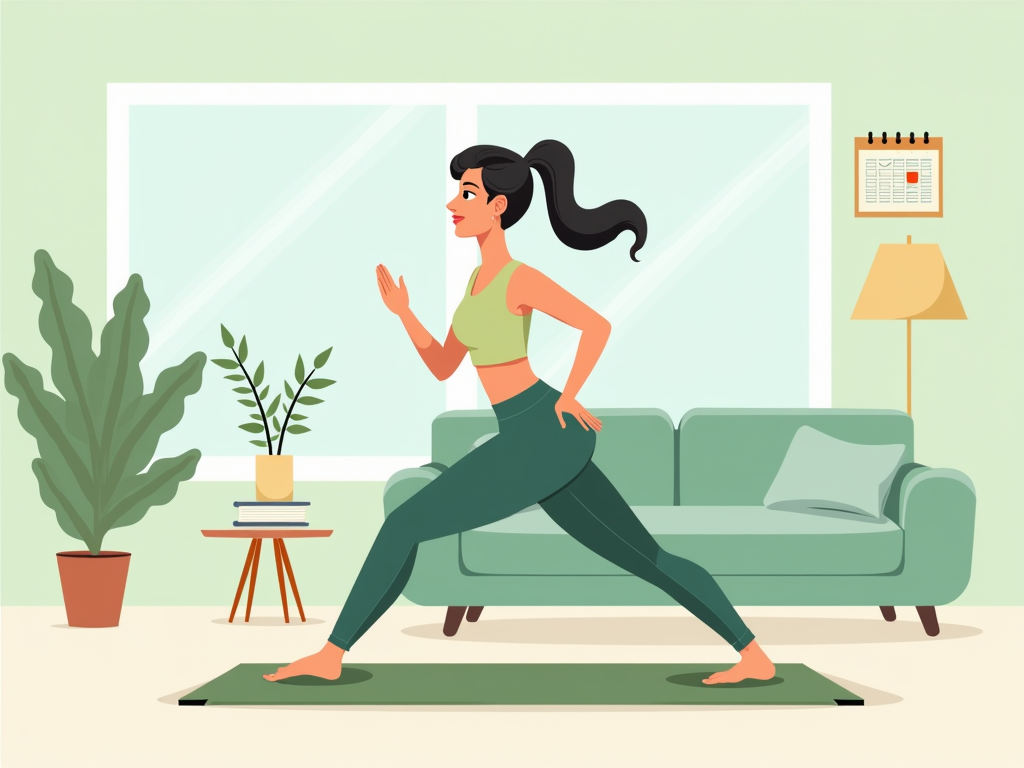
Staying active during your period can be beneficial for your overall health and well-being. However, many people wonder how to balance exercise with menstruation. This comprehensive guide will help you understand how to exercise effectively during your period, address common concerns, and offer practical tips for maintaining an active lifestyle while managing your menstrual cycle.
Why Exercise During Your Period?
Reduces Menstrual Cramps
Pain Relief: Exercise helps release endorphins, which are natural painkillers. This can reduce menstrual cramps and make you feel more comfortable.
Improves Blood Flow: Physical activity increases blood circulation, which can lessen cramping and discomfort.
Boosts Mood
Fights Mood Swings: Exercise is known to improve mood and reduce symptoms of irritability and depression often associated with PMS.
Stress Relief: Physical activity helps to manage stress and anxiety, making you feel better during your period.
Increases Energy Levels
Combats Fatigue: Even though you might feel tired during your period, regular exercise can help boost your energy levels and prevent you from feeling sluggish.
Enhances Stamina: Staying active can increase your overall stamina and make you feel more energetic.
Types of Exercise to Consider
Low-Impact Activities
Walking: A gentle and easy exercise that can help manage cramps and improve your mood without putting too much strain on your body.
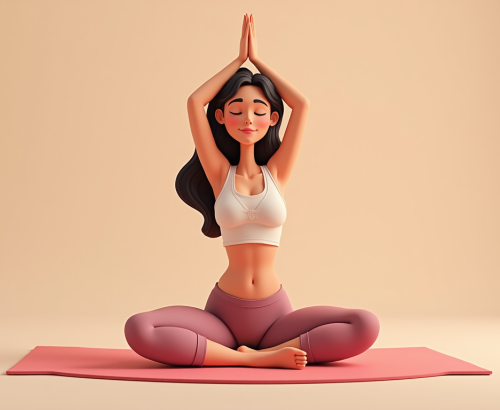
Yoga: Focuses on stretching and relaxation, which can ease period pain and enhance flexibility. Gentle yoga poses can be particularly soothing.
Moderate Exercise
Swimming: Offers a full-body workout that is gentle on your joints and can be refreshing. It’s safe to swim during your period as long as you use a tampon or menstrual cup.
Cycling: Provides a good cardiovascular workout and can help boost energy and improve mood. It’s a great option for maintaining fitness while managing menstrual symptoms.
High-Intensity Workouts
Cardio: Activities like running, aerobics, or high-intensity interval training (HIIT) can be effective but should be adjusted based on how you feel. Listen to your body and modify the intensity as needed.
Strength Training: Weight lifting or resistance exercises are generally safe. Focus on proper form and avoid overexertion.
Tips for Exercising During Your Period
Listen to Your Body
Adjust Intensity: Modify your workout intensity depending on how you feel. It’s perfectly okay to scale back or switch to a gentler exercise if you’re experiencing severe cramps or fatigue.
Rest When Needed: If you’re feeling particularly tired or uncomfortable, give yourself permission to rest or take a break from exercise.
Stay Hydrated
Drink Plenty of Water: Keeping hydrated is crucial, especially if you’re engaging in high-intensity workouts. Proper hydration helps to prevent dehydration, which can worsen period symptoms.
Wear Comfortable Clothing
Choose Breathable Fabrics: Opt for moisture-wicking, breathable fabrics that provide comfort and prevent chafing. This is especially important during physical activities.
Menstrual Protection: Use the menstrual product that suits your workout, such as a tampon, menstrual cup, or period panties.
Plan Your Workouts
Timing: Schedule workouts based on your energy levels. You might feel more energetic in the middle of your cycle and prefer lighter activities during your period.
Consistency: Try to maintain a regular exercise routine throughout the month, adjusting as needed based on your menstrual cycle.
Addressing Common Concerns
Heavy Flow and Exercise
Use Effective Protection: On heavy flow days, use high-absorbency menstrual products or combine products for added protection. Consider using period panties for extra security.
Comfort: Choose exercises that you feel comfortable with and that suit your level of menstrual flow.
Menstrual Cramps
Opt for Gentle Movements: Gentle exercises like yoga or stretching can help relieve cramps and improve blood flow without causing additional discomfort.
Warm-Up: Start with a gentle warm-up to ease into more intense activity and reduce cramping.
Embarrassment and Leakage
Be Prepared: Carry extra menstrual products and a change of clothes if needed. Knowing you have backup options can help you feel more confident.
Discreet Products: Use menstrual cups or tampons for more discreet protection during physical activities. They are less likely to cause leaks compared to pads.
When to Skip Exercise
Severe Symptoms
Pain: If you’re experiencing severe cramps, nausea, or other debilitating symptoms, it might be best to rest rather than exercise. Prioritize your comfort and self-care.
Medical Conditions: If you have conditions like endometriosis or fibroids that cause significant pain or discomfort, consult with a healthcare provider for personalized advice.
Heavy Bleeding
Safety First: If you’re experiencing extremely heavy bleeding or find it difficult to manage with your usual products, focus on rest and comfort.