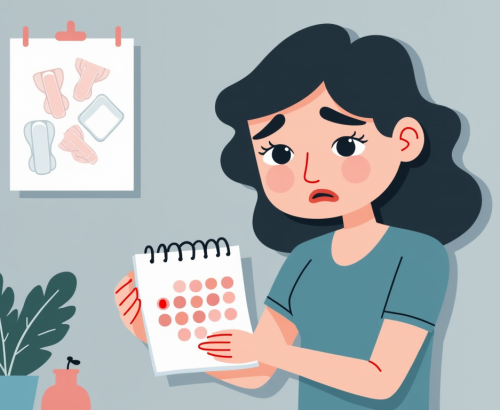

Staying active during your period can be challenging, but it’s also beneficial for alleviating menstrual symptoms and maintaining overall health. With the right strategies and preparation, you can manage your periods effectively while participating in sports and physical activities. This guide provides practical tips to help you stay comfortable and confident during your workouts.
Benefits of Exercising During Your Period
1. Reduces Menstrual Cramps
Endorphins: Physical activity releases endorphins, which are natural painkillers and can help reduce the intensity of menstrual cramps.
Increased Blood Flow: Exercise promotes better blood circulation, which can help ease cramps and reduce bloating.
2. Improves Mood
Stress Relief: Exercise reduces stress and anxiety, which can help improve your mood during your period.
Combats PMS: Regular physical activity can help alleviate symptoms of premenstrual syndrome (PMS), such as irritability and mood swings.
Choosing the Right Sanitary Products
1. Tampons
Advantages: Tampons are discreet, stay in place, and allow for a full range of motion, making them ideal for sports.
Tips: Choose tampons with the appropriate absorbency for your flow. Change them every 4-6 hours to prevent leaks and maintain hygiene.
2. Menstrual Cups
Advantages: Menstrual cups are eco-friendly, can be worn for up to 12 hours, and have a higher capacity than tampons.
Tips: Ensure a proper fit and practice insertion and removal before your workout. Empty and rinse the cup before and after exercise.
3. Period Underwear
Advantages: Period underwear is comfortable, discreet, and can be used alone or as a backup with other products.
Tips: Choose period underwear with the appropriate absorbency for your flow. Bring an extra pair if you’ll be exercising for an extended period.
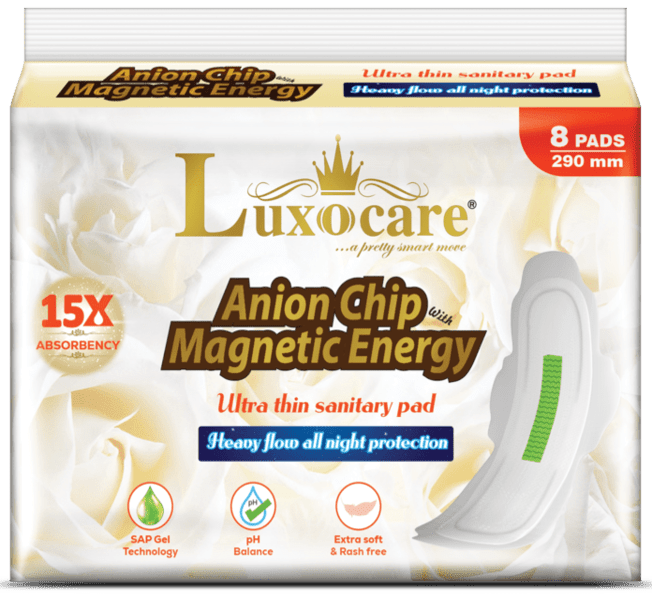
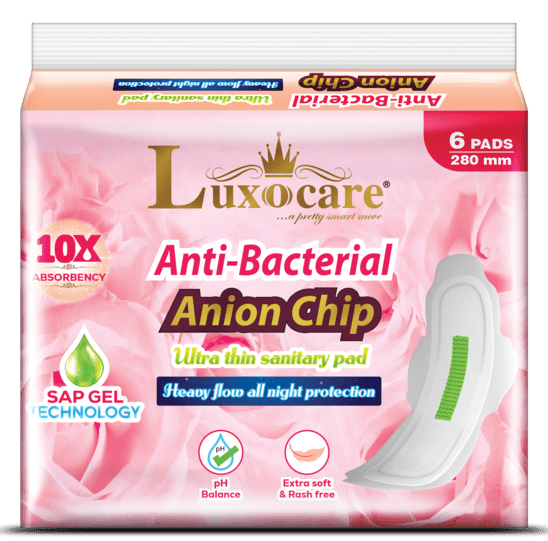
4. Pads
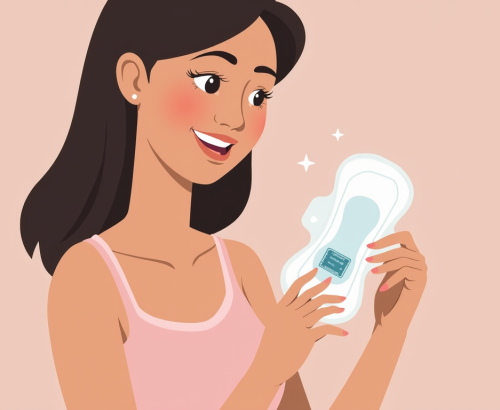
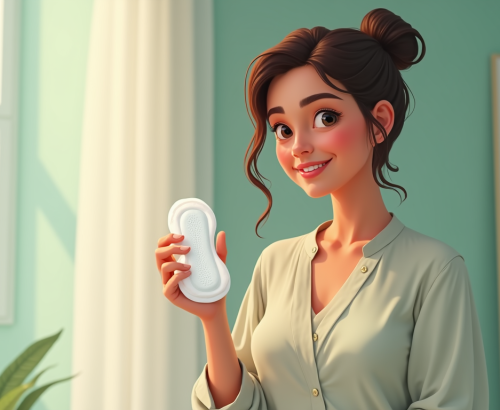
Advantages: Pads are easy to use and come in various sizes and absorbencies.
Tips: Opt for ultra-thin or active pads that stay in place and provide comfort during movement. Change them regularly to prevent irritation and leaks.
Preparing for Exercise
1. Hydration
Importance: Staying hydrated helps reduce bloating and maintain energy levels.
Tips: Drink plenty of water before, during, and after exercise. Avoid caffeine and sugary drinks that can dehydrate you.
2. Nutrition
Balanced Diet: Eat a balanced diet rich in fruits, vegetables, lean proteins, and whole grains to maintain energy and reduce menstrual symptoms.
Pre-Workout Snacks: Choose light, energy-boosting snacks like a banana, yogurt, or a handful of nuts before exercising.
3. Clothing
Comfortable Gear: Wear breathable, moisture-wicking fabrics to stay cool and comfortable during exercise.
Proper Fit: Ensure your workout clothes fit well and provide the necessary support, especially if you experience breast tenderness during your period.
Managing Discomfort During Exercise
1. Warm-Up and Cool-Down
Warm-Up: Start with a gentle warm-up to prepare your muscles and reduce the risk of cramps.
Cool-Down: Finish with a cool-down and stretching to help relax your muscles and prevent stiffness.
2. Pain Relief
Over-the-Counter Medication: Take over-the-counter pain relievers, like ibuprofen, before exercise to reduce cramps and pain.
Heat Therapy: Use a heating pad or warm compress on your lower abdomen before and after exercise to ease cramps.
3. Gentle Exercises
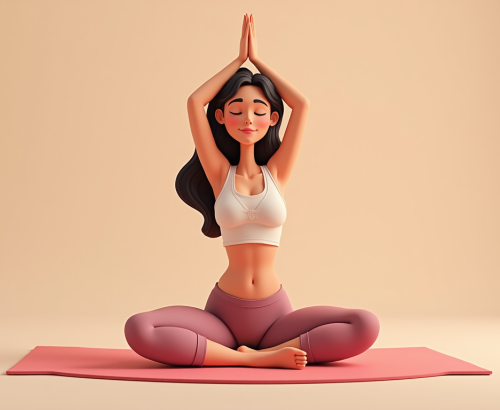
Low-Impact Activities: If you’re experiencing severe symptoms, opt for low-impact activities like walking, swimming, or yoga.
Breathing Exercises: Practice deep breathing exercises to help manage pain and reduce stress.
Dealing with Heavy Flow
1. Layering Protection
Double Up: Use a tampon or menstrual cup with period underwear or a pad for extra protection during heavy flow days.
Frequent Changes: Change your sanitary products more frequently during heavy flow days to prevent leaks and maintain hygiene.
2. Emergency Kit
Pack Essentials: Carry an emergency kit with extra sanitary products, a change of underwear, and wipes for quick cleanups.
Accessible Location: Keep your kit in an accessible location, such as your gym bag or locker, for easy access during your workout.
Staying Motivated
1. Listen to Your Body
Rest When Needed: If you’re feeling particularly fatigued or unwell, take a rest day or opt for a gentle activity.
Pace Yourself: Modify your workout intensity based on how you feel. It’s okay to take it easy during your period.
2. Support System
Workout Buddy: Exercise with a friend or join a fitness class to stay motivated and accountable.
Positive Mindset: Focus on the benefits of exercise for your mood and overall well-being.