Periods can be challenging, especially when dealing with conditions like PCOS (Polycystic Ovary Syndrome) and PMS (Premenstrual Syndrome). Understanding how to manage these issues can bring significant relief. This guide will explore practical tips and solutions for managing periods with PCOS and PMS, all explained in simple language.
Understanding PCOS and PMS
What is PCOS?
PCOS is a hormonal disorder common among women of reproductive age. It can cause irregular periods, excess hair growth, acne, and weight gain. Women with PCOS may have infrequent or prolonged menstrual periods due to excess male hormone (androgen) levels.
What is PMS?
PMS refers to a group of symptoms that occur in women, typically between ovulation and a period. Symptoms can include mood swings, tender breasts, food cravings, fatigue, irritability, and depression.
PCOS Symptoms:
Irregular periods
Excess facial and body hair (hirsutism)
Acne
Weight gain
Thinning hair on the scalp
Ovarian cysts
PMS Symptoms:
Mood swings
Bloating
Breast tenderness
Food cravings
Fatigue
Irritability and anxiety
Tips for Managing Periods with PCOS and PMS
1. Maintain a Healthy Diet
Eating a balanced diet can help manage both PCOS and PMS. Focus on:
Whole Foods: Include plenty of fruits, vegetables, whole grains, and lean proteins.
Low Glycemic Index Foods: Foods that have a low glycemic index can help manage insulin levels, which is beneficial for PCOS. Examples include whole grains, legumes, and non-starchy vegetables.
Healthy Fats: Include sources of healthy fats like avocados, nuts, seeds, and olive oil.
Reduce Sugar and Processed Foods: These can exacerbate symptoms of both PCOS and PMS.
2. Exercise Regularly
Regular physical activity helps regulate hormones and improve mood. Aim for at least 30 minutes of moderate exercise most days of the week. Activities like walking, swimming, and yoga can be particularly beneficial.
3. Manage Stress
Stress can worsen symptoms of both PCOS and PMS. Incorporate stress-reducing activities into your daily routine:
Meditation and Deep Breathing: These practices can help calm your mind and body.
Yoga: Helps in relaxation and stress reduction.
Hobbies: Engage in activities you enjoy to take your mind off stress.
4. Stay Hydrated
Drinking plenty of water helps reduce bloating and supports overall health. Aim for at least 8 glasses of water a day.
5. Get Enough Sleep
Adequate sleep is crucial for hormone regulation and overall health. Aim for 7-9 hours of sleep per night. Establish a bedtime routine and stick to a regular sleep schedule.
6. Use Heat Therapy
Applying heat to your abdomen can relieve menstrual cramps. Use a heating pad or hot water bottle to ease discomfort.
7. Consider Supplements
Some supplements can help manage symptoms of PCOS and PMS. Consult with a healthcare provider before starting any new supplements. Common ones include:
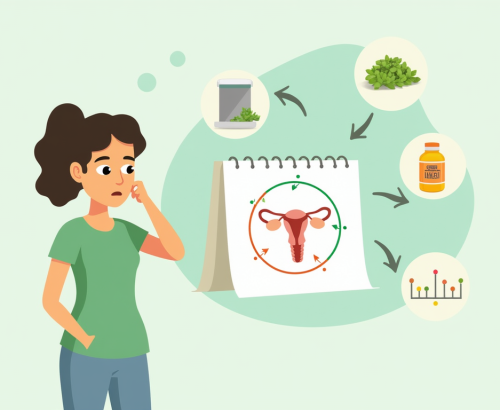
Inositol: Can help with insulin resistance in PCOS.
Magnesium: May reduce PMS symptoms like mood swings and bloating.
Omega-3 Fatty Acids: Found in fish oil, can help with inflammation and hormone balance.
8. Track Your Symptoms
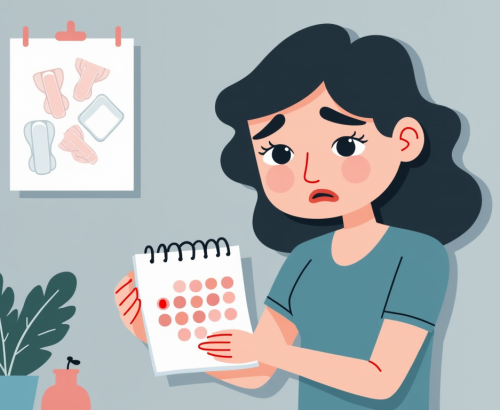
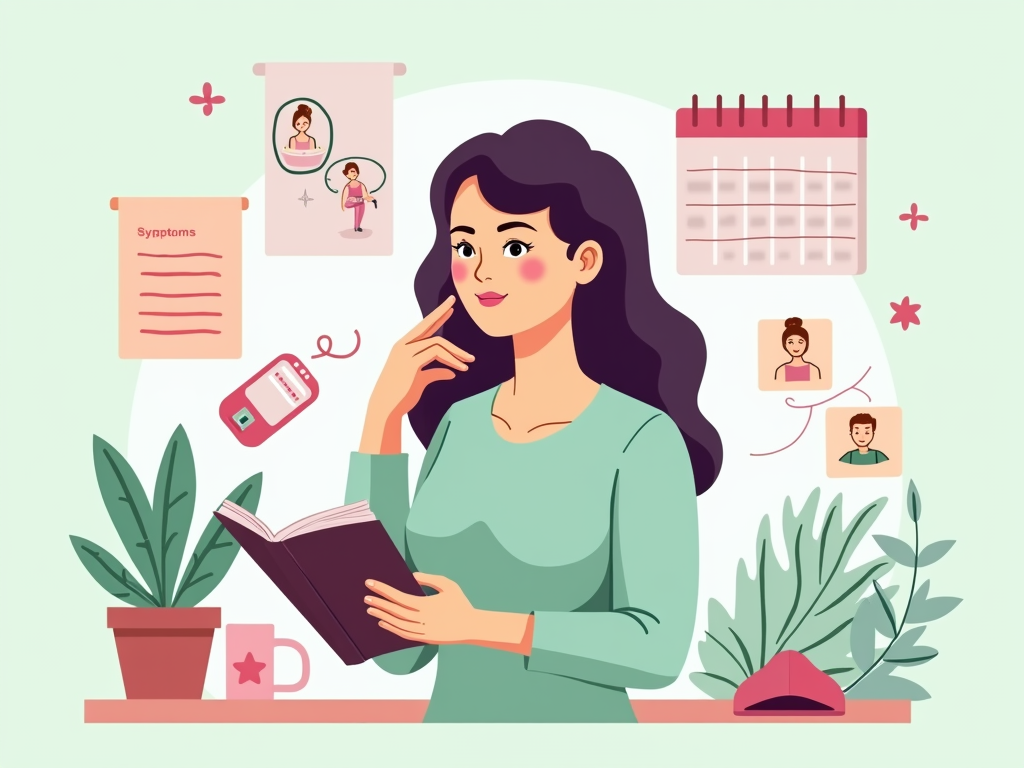
Keeping a diary of your menstrual cycle and symptoms can help you identify patterns and triggers. Use a period tracking app or a simple journal to note your symptoms, diet, and any other factors that may affect your cycle.
9. Medical Treatments
For some women, lifestyle changes may not be enough. Consult with a healthcare provider for additional treatments:
Hormonal Birth Control: Can help regulate periods and reduce symptoms.
Metformin: Often prescribed for PCOS to improve insulin resistance.
Antidepressants: May be prescribed for severe PMS or PMDD (Premenstrual Dysphoric Disorder).
Practical Tips for Everyday Relief
1. Wear Comfortable Clothing
During your period, especially if you experience bloating, wear loose, comfortable clothing to reduce pressure on your abdomen.
2. Eat Smaller, Frequent Meals
Eating smaller, more frequent meals can help manage blood sugar levels and reduce bloating and cravings.
3. Limit Caffeine and Alcohol
Both caffeine and alcohol can worsen PMS symptoms. Try to reduce your intake, especially in the week leading up to your period.
4. Practice Good Hygiene
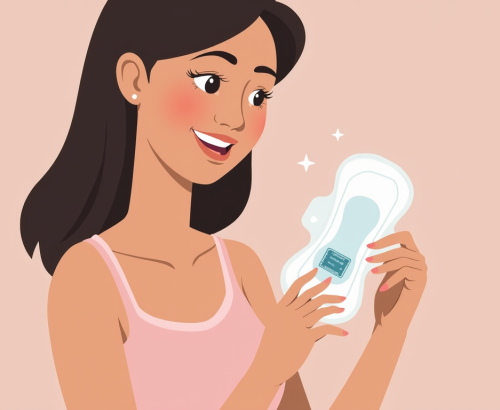
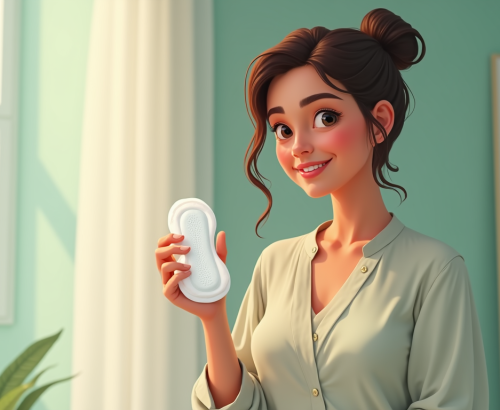
Keeping clean can help you feel more comfortable and reduce the risk of infections. Change menstrual products regularly and use gentle, unscented hygiene products.
5. Plan Ahead
If you know your period is coming, plan ahead to manage symptoms. Stock up on menstrual products, healthy snacks, and anything else you might need to stay comfortable.