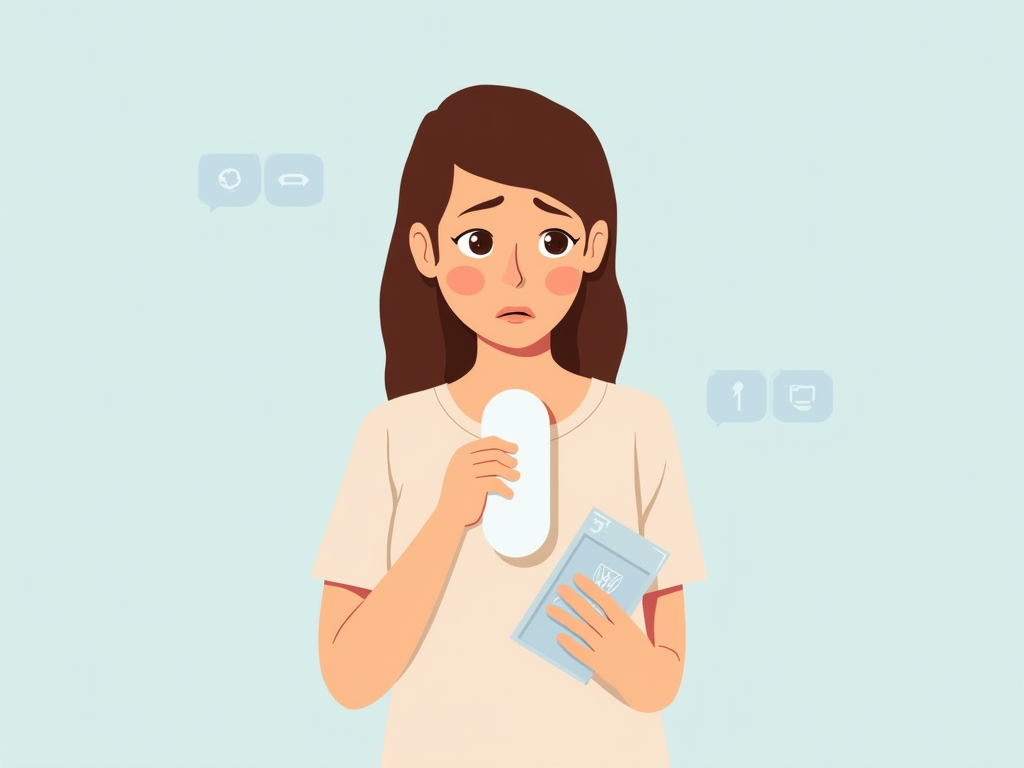
Menstrual product allergies and sensitivities can cause discomfort and distress during your period. Recognizing the signs, understanding potential causes, and knowing how to manage these reactions can significantly improve your menstrual experience. Here’s a comprehensive guide to understanding menstrual product allergies and sensitivities.
Common Symptoms of Allergies and Sensitivities
1. Skin Irritation
Redness and Itching: Allergic reactions often manifest as redness, itching, or rash in the area where the product is in contact with your skin.
Swelling: In some cases, you might experience swelling or bumps in the genital area.
2. Discomfort and Pain
Burning Sensation: A burning or stinging sensation can occur due to irritation from the product’s materials.
Increased Sensitivity: You might notice increased sensitivity or discomfort in the area where the product touches your skin.
3. Allergic Reactions
Hives or Rashes: Allergic reactions can lead to hives or rash, particularly if you are sensitive to the chemicals or materials used in the product.
Inflammation: Severe allergies may cause inflammation or swelling in the affected areas.
4. Unusual Discharge
Change in Discharge: Allergic reactions can sometimes cause changes in vaginal discharge, such as increased discharge or a change in color and odor.
Potential Causes of Allergies and Sensitivities
1. Chemical Additives
Fragrances: Many menstrual products contain fragrances that can cause allergic reactions or sensitivities in some individuals.
Dyes and Bleaching Agents: Chemicals used in dyes and bleaching agents can irritate sensitive skin or lead to allergic reactions.
2. Synthetic Materials
Plastic and Rayon: Sanitary pads and tampons often contain synthetic materials like plastic or rayon, which may not be well-tolerated by everyone.
Chemical Coatings: Some products are coated with chemicals that can cause irritation or allergies.
3. Natural Latex
Latex Allergies: Products containing natural latex, such as certain tampons or menstrual cups, can trigger allergic reactions in individuals with latex allergies.
4. Fragrance-Free Products
Sensitive Skin: Even products marketed as hypoallergenic or fragrance-free may still contain substances that cause irritation or sensitivities.
How to Manage Allergies and Sensitivities
1. Choose Hypoallergenic Products
Fragrance-Free: Opt for menstrual products labeled as fragrance-free and made without dyes or synthetic additives.
Organic Options: Consider organic or natural menstrual products that use fewer chemicals and are made from natural materials.
2. Conduct a Patch Test
Test New Products: Before using a new menstrual product, conduct a patch test on a small area of skin to check for any adverse reactions.
Monitor Reactions: If you experience any irritation or allergic reactions, discontinue use immediately and consult a healthcare provider.
3. Opt for Reusable Products
Menstrual Cups: Reusable menstrual cups made from medical-grade silicone or elastomer can be a good alternative for those with sensitivities.
Cloth Pads: Reusable cloth pads made from natural fabrics may be gentler on sensitive skin compared to disposable options.
4. Maintain Good Hygiene
Change Products Regularly: Regularly changing your menstrual products helps prevent irritation and reduces the risk of infections.
Keep the Area Clean: Maintain good hygiene by washing the genital area with mild, unscented soap and water.
5. Consult a Healthcare Provider
Seek Professional Advice: If you experience persistent or severe reactions, consult a healthcare provider. They can help identify the cause of your symptoms and recommend appropriate treatments or alternatives.
Allergy Testing: In some cases, allergy testing may be necessary to determine specific allergens causing your symptoms.
Alternatives and Considerations
1. Menstrual Discs
Alternative to Tampons: Menstrual discs are made from silicone or elastomer and can be a good alternative for those with sensitivities to tampons or pads.
Long-Term Use: They are reusable and can be worn for longer periods compared to traditional menstrual products.
2. Period Panties
Absorbent and Comfortable: Period panties are designed to be worn during menstruation and can be a comfortable option for those with sensitivities.
No Chemicals: Many period panties are made without synthetic materials or chemicals, reducing the risk of irritation.
3. Lifestyle Adjustments
Diet and Hydration: Maintaining a balanced diet and staying hydrated can support overall skin health and reduce sensitivity.
Stress Management: Managing stress can also help alleviate skin issues and sensitivities.