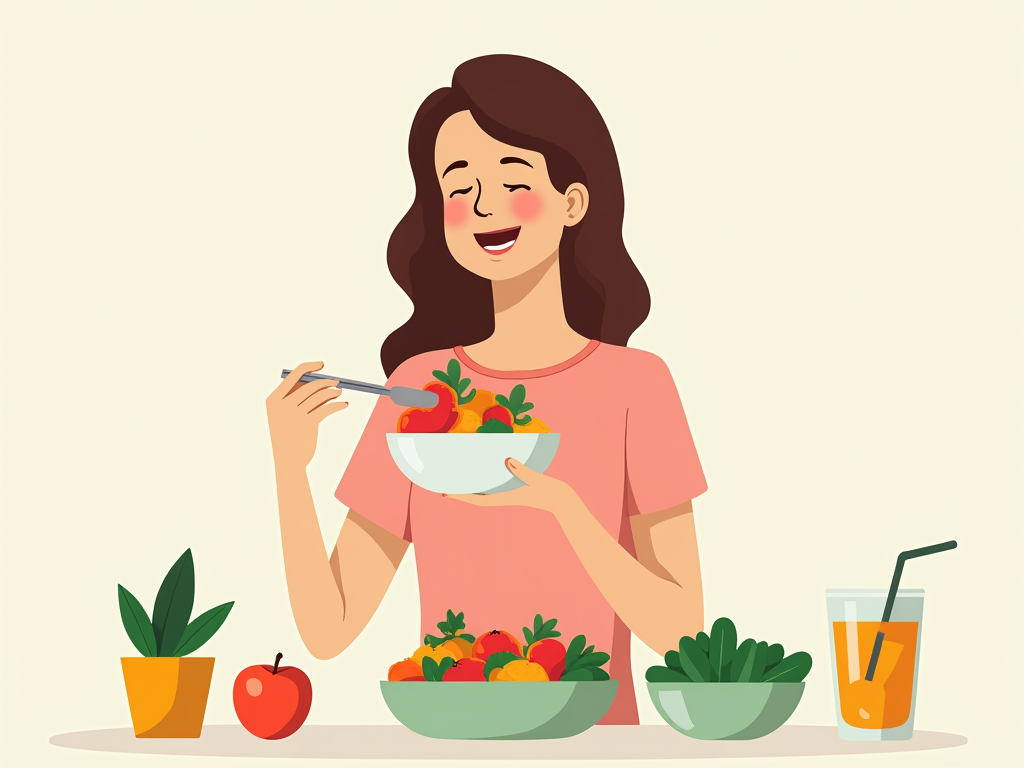
Managing your period can be challenging, but the right diet can make a big difference in how you feel. Eating nutrient-rich foods during menstruation can help alleviate symptoms, boost your energy, and support overall health. Here’s a comprehensive guide on the best foods to eat during your period and why they’re beneficial.
1. Leafy Greens
Leafy greens like spinach, kale, and Swiss chard are packed with iron, which is crucial during your period because you lose blood. These greens also provide magnesium, which can help reduce bloating and cramps.
Add leafy greens to your salads, blend them into smoothies, or incorporate them into stir-fries and soups. Try a spinach and kale salad with a lemon vinaigrette or blend spinach into your morning smoothie.
2. Fruits Rich in Vitamin C
Fruits such as oranges, strawberries, and kiwi are high in vitamin C, which helps with iron absorption and can boost your immune system. Vitamin C is essential for overall health and can also help reduce fatigue.
Enjoy these fruits as snacks, add them to yogurt, or include them in your breakfast. A fruit salad with oranges, strawberries, and kiwi makes a refreshing and nutritious treat.
3. Nuts and Seeds
Nuts and seeds, including almonds, walnuts, chia seeds, and flaxseeds, are rich in healthy fats and magnesium. Magnesium can help alleviate cramps and mood swings often experienced during your period.
Sprinkle nuts and seeds on salads, yogurt, or eat them as a snack. Almonds and walnuts make a great topping for oatmeal or a mid-day snack.
4. Whole Grains
Whole grains like brown rice, quinoa, and oats are excellent sources of complex carbohydrates and fiber. They help maintain stable blood sugar levels, which can reduce mood swings and fatigue.
Use whole grains as a base for meals. Quinoa can be added to salads, while brown rice is a great side dish. Oatmeal is an excellent breakfast choice, and you can add fruits and nuts for extra nutrients.
5. Fatty Fish
Fatty fish like salmon, mackerel, and sardines are rich in omega-3 fatty acids, which have anti-inflammatory properties. These can help reduce cramps and overall discomfort during your period.
Enjoy baked or grilled fish as a main dish. You can also add salmon to salads or wraps for a healthy, omega-3-rich meal.
6. Yogurt
Yogurt is a good source of probiotics, which support gut health and can help reduce bloating and digestive issues that are common during menstruation. Probiotics also support your immune system.
Have yogurt as a snack or for breakfast. Top it with fresh fruits, nuts, and a drizzle of honey for added taste and nutrients. Greek yogurt is a great option for a higher protein content.
7. Bananas
Bananas are high in potassium, which can help reduce bloating and regulate fluid balance in your body. They also provide quick energy, which can help combat fatigue during your period.
Eat bananas as a snack or add them to smoothies, oatmeal, or yogurt. They make a great natural sweetener for your breakfast dishes.
8. Beans and Lentils
Beans and lentils are rich in fiber and iron. Fiber helps keep you full and supports digestive health, while iron helps replenish the blood lost during menstruation.
Add beans and lentils to soups, stews, or salads. A lentil soup or a black bean salad can be filling and nutritious choices during your period.
9. Dark Chocolate
Dark chocolate is a good source of magnesium and can help improve mood. It also provides a satisfying treat without excessive sugar, which can help manage cravings.
Enjoy a small piece of dark chocolate as a snack. You can also add it to yogurt or smoothies for a chocolatey twist.
10. Water and Herbal Teas
Staying hydrated is key to reducing bloating and fatigue. Herbal teas like ginger or peppermint can also help soothe cramps and digestive issues.
Drink plenty of water throughout the day. Enjoy herbal teas as a calming beverage; ginger tea can help with nausea, while peppermint tea can soothe cramps and digestive discomfort.
Additional Tips for Optimal Health During Your Period
Balance Your Meals: Aim to include a variety of these nutrient-rich foods in your diet to ensure you’re getting a good mix of vitamins and minerals.
Avoid Excess Salt and Sugar: Reducing salt can help prevent bloating, while limiting sugar can help manage mood swings and cravings. Opt for whole, unprocessed foods whenever possible.
Listen to Your Body: Pay attention to how different foods make you feel and adjust your diet accordingly. Everyone’s body reacts differently, so finding what works best for you is key.
Example Meal Plan for Your Period
Breakfast: Oatmeal topped with sliced bananas, chia seeds, and a dollop of Greek yogurt.
Lunch: Spinach salad with grilled salmon, cherry tomatoes, almonds, and a citrus vinaigrette.
Snack: A handful of mixed nuts and a piece of dark chocolate.
Dinner: Quinoa and black bean salad with a side of steamed broccoli and a glass of herbal tea.
Evening Snack: A small bowl of strawberries and a cup of ginger tea.