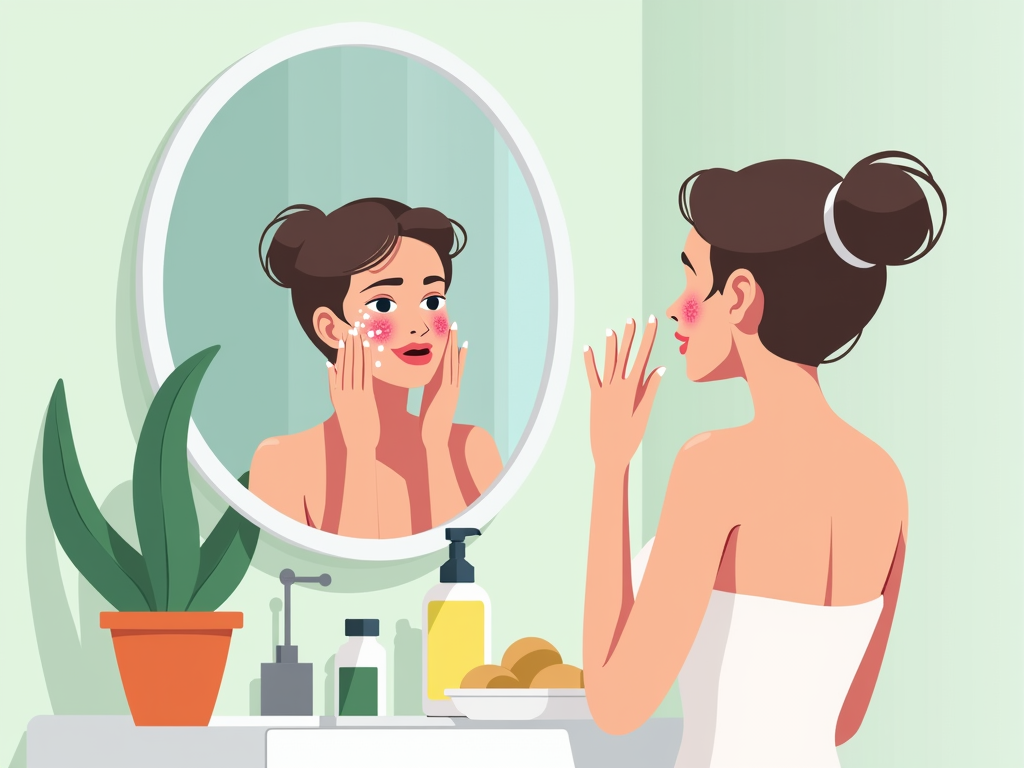
Many people experience skin changes during their period, such as acne, dryness, and oiliness. These issues can be frustrating, but with the right approach, you can manage and improve your skin health. Here’s how to deal with period-related skin issues using straightforward and effective methods.
Understand Period-Related Skin Changes
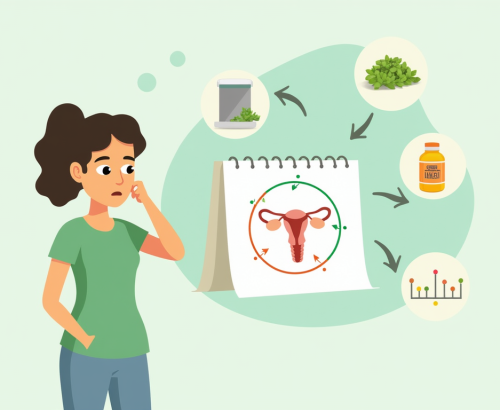
During your period, hormonal changes can lead to various skin issues. Fluctuations in estrogen and progesterone levels can increase oil production, leading to acne. Some people may also experience dryness or sensitivity. Understanding these changes can help you better manage your skin during this time.
Stick to a Consistent Skincare Routine
Maintaining a consistent skincare routine is key to managing period-related skin issues. Cleanse your skin twice daily to remove dirt, oil, and impurities. Use a gentle cleanser that suits your skin type. Follow up with a toner to balance your skin’s pH and a moisturizer to keep your skin hydrated. Consistency helps keep your skin healthy and reduces the likelihood of breakouts.
Choose the Right Skincare Products
Using the right skincare products can make a big difference in managing period-related skin issues. Look for products that are:
Non-comedogenic: These products won’t clog your pores.
Oil-free: These are less likely to increase oiliness.
Gentle: Avoid harsh products that can irritate your skin.
If you’re prone to acne, consider using products with ingredients like salicylic acid or benzoyl peroxide. For dryness, choose hydrating products with ingredients like hyaluronic acid or glycerin.
Keep Your Skin Clean and Oil-Free
Excess oil can contribute to acne and other skin issues. To manage oiliness, use an oil-free cleanser and consider using blotting papers throughout the day to absorb excess oil. Avoid touching your face with your hands, as this can transfer oils and bacteria to your skin.
Stay Hydrated
Hydration is crucial for maintaining healthy skin. Drinking plenty of water helps keep your skin hydrated and can improve its overall appearance. Aim to drink at least 8 glasses of water a day to support your skin’s health and reduce dryness.
Avoid Excessive Scrubbing
While it’s important to keep your skin clean, avoid excessive scrubbing or using harsh exfoliants. Over-exfoliating can irritate your skin and make issues worse. Instead, use a gentle exfoliant once or twice a week to help remove dead skin cells and prevent clogged pores.
Use Sunscreen Daily
Sun protection is important for all skin types. Apply a broad-spectrum sunscreen with at least SPF 30 every morning, even on cloudy days. Sunscreen helps protect your skin from harmful UV rays, which can exacerbate skin issues and cause premature aging.
Manage Stress
Stress can impact your skin health, potentially worsening period-related skin issues. Incorporate stress-management techniques into your routine, such as exercise, meditation, or deep breathing exercises. Managing stress can help balance your hormones and improve your skin’s appearance.
Maintain a Healthy Diet
What you eat can affect your skin. A balanced diet rich in fruits, vegetables, whole grains, and lean proteins supports overall skin health. Foods high in antioxidants, like berries and green leafy vegetables, can help combat inflammation and improve your skin’s condition. Limit your intake of sugary and processed foods, as they can contribute to skin issues.
Get Enough Sleep
Adequate sleep is essential for healthy skin. Aim for 7-9 hours of quality sleep each night. During sleep, your skin repairs and regenerates, which can help reduce the appearance of blemishes and improve overall skin health.
Consult a Dermatologist
If period-related skin issues are severe or persistent, consider consulting a dermatologist. A skincare professional can provide personalized advice and recommend treatments that are effective for your specific skin concerns. They can also help you develop a skincare routine tailored to your needs.
Use Natural Remedies
Some natural remedies can also help manage period-related skin issues. For example:
Green tea: Contains antioxidants that can reduce inflammation and acne. You can use green tea as a toner or apply cooled tea bags to your skin.
Aloe vera: Known for its soothing properties, aloe vera can help calm irritated skin and reduce redness.
Honey: Has antibacterial properties that can help with acne. Apply raw honey as a mask to your face and rinse off after 10-15 minutes.