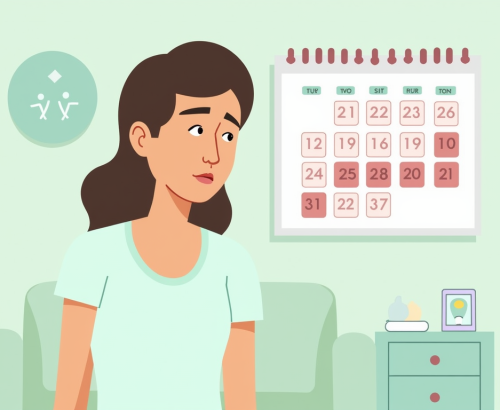

Menstruation is a natural process that every woman experiences, yet it is often shrouded in myths and misconceptions. These myths can lead to confusion, embarrassment, and misinformation. This comprehensive guide aims to debunk common period myths and provide accurate facts to help you better understand and manage your menstrual health.
Myth 1: Periods Should Always Be Regular
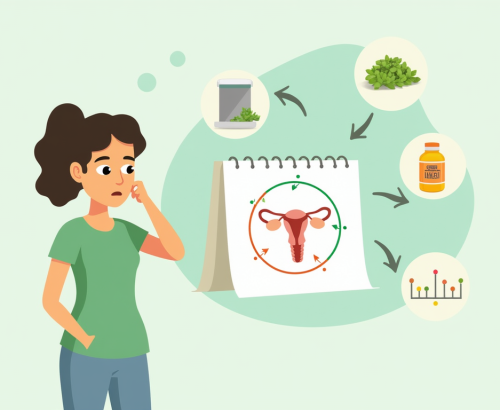
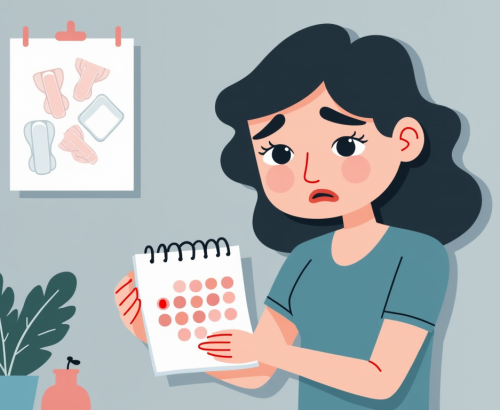
Fact: Menstrual cycles can vary in length and regularity, especially during the first few years after menarche. Factors such as stress, diet, exercise, and hormonal changes can influence the regularity of your cycle. While an average cycle is about 28 days, it can range from 21 to 35 days in adults and 21 to 45 days in teens.
What to Do: Track your menstrual cycle using an app or calendar. If you notice significant irregularities or if your periods stop for more than three months, consult a healthcare provider to rule out underlying conditions.
Myth 2: You Shouldn’t Exercise During Your Period
Fact: Exercise can actually help alleviate menstrual symptoms such as cramps, bloating, and mood swings. Physical activity releases endorphins, which act as natural painkillers and mood enhancers.
What to Do: Engage in light to moderate exercise during your period, such as walking, yoga, or swimming. Listen to your body and choose activities that you feel comfortable with.
Myth 3: You Can’t Get Pregnant During Your Period
Fact: While the likelihood of getting pregnant during your period is low, it is not impossible. Sperm can survive in the female reproductive tract for up to five days, and if you have a short cycle, you could ovulate soon after your period ends.
What to Do: If you are sexually active and not planning to conceive, use contraception consistently, regardless of where you are in your menstrual cycle.
Myth 4: Tampons Can Get Lost Inside You
Fact: It is physically impossible for a tampon to get lost inside the vagina. The cervix, which is the opening to the uterus, is too small for a tampon to pass through.
What to Do: If you have trouble removing a tampon, try to relax and use clean hands to gently pull the string. If you cannot remove it, seek medical assistance.
Myth 5: Period Blood is Dirty
Fact: Period blood is not dirty or impure. It is simply a mixture of blood, uterine lining, and vaginal secretions. Menstruation is a natural and healthy process that indicates normal reproductive function.
What to Do: Maintain good menstrual hygiene by changing your menstrual products regularly and washing your hands before and after handling them.
Myth 6: PMS is All in Your Head
Fact: Premenstrual Syndrome (PMS) is a real medical condition that affects many women. Symptoms can include mood swings, irritability, fatigue, bloating, and breast tenderness, and are caused by hormonal changes in the menstrual cycle.
What to Do: Manage PMS symptoms with a balanced diet, regular exercise, adequate sleep, and stress reduction techniques. If symptoms are severe, consult a healthcare provider for further evaluation and management.
Myth 7: You Shouldn’t Swim During Your Period
Fact: You can absolutely swim during your period. Using tampons or menstrual cups can provide leak-proof protection while swimming. Water pressure may also temporarily slow the flow of menstrual blood.
What to Do: Choose a menstrual product that suits your comfort and activity level. Change tampons or menstrual cups before and after swimming to maintain hygiene.
Myth 8: Period Pain is Always Normal
Fact: While mild cramps are common, severe pain that interferes with daily activities is not normal and may indicate an underlying condition such as endometriosis or fibroids.
What to Do: If you experience severe or debilitating menstrual pain, consult a healthcare provider for a proper diagnosis and treatment plan.
Myth 9: Menstrual Products Cause Infections
Fact: Menstrual products like pads, tampons, and menstrual cups are safe to use when used correctly. Infections can occur if hygiene practices are not followed, such as leaving a tampon in for too long.
What to Do: Change pads every 4-6 hours, tampons every 4-8 hours, and menstrual cups every 8-12 hours. Follow the manufacturer’s instructions for use and cleaning.
Myth 10: All Women Have a 28-Day Cycle
Fact: While a 28-day cycle is often considered average, menstrual cycle length varies widely among women. Cycles can range from 21 to 35 days in adults and 21 to 45 days in teens.
What to Do: Track your own cycle to understand your pattern. Consult a healthcare provider if you notice significant changes in your cycle length or frequency.
Myth 11: You Can’t Bathe or Shower During Your Period
Fact: Bathing and showering are completely safe and recommended during your period. Maintaining hygiene is crucial, and a warm bath can help soothe menstrual cramps.
What to Do: Use warm water and mild soap to clean your genital area. Avoid using scented products that can irritate the skin.
Myth 12: Menstrual Blood Attracts Sharks
Fact: There is no scientific evidence to support the idea that menstrual blood attracts sharks. The amount of blood lost during menstruation is minimal and unlikely to have any significant impact in the water.
What to Do: Feel confident swimming in the ocean or any body of water during your period, using appropriate menstrual products.
Myth 13: Young Girls Shouldn’t Use Tampons
Fact: Tampons are safe for young girls to use. The key is to choose the right size and follow instructions for insertion and removal. Tampons do not affect virginity or cause harm when used correctly.
What to Do: Start with a smaller size, like a “slim” or “junior” tampon, and practice insertion. If unsure, seek guidance from a trusted adult or healthcare provider.
Myth 14: Periods Are the Same for Everyone
Fact: Every woman’s period is different. Factors such as genetics, health, lifestyle, and age can affect the nature of your menstrual cycle.
What to Do: Track your menstrual cycle to understand your unique pattern. Share any concerns or unusual changes with a healthcare provider.