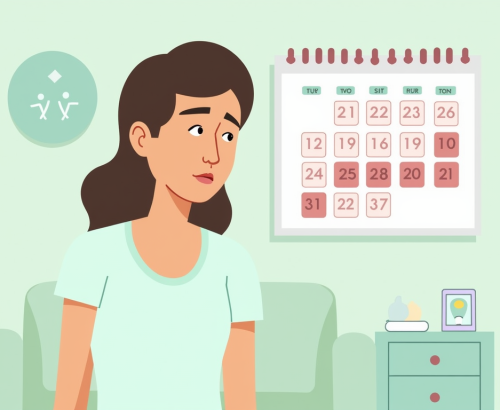

Sleep is crucial for overall health, and its impact on menstrual health is significant. Understanding the connection between sleep and your menstrual cycle can help you manage symptoms and improve your overall well-being.
How Sleep Affects Menstrual Health
1. Hormonal Regulation
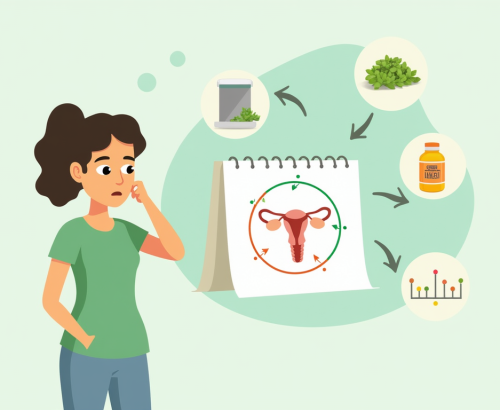
Hormones and Sleep: Sleep helps regulate hormones that control the menstrual cycle, including estrogen and progesterone. Disruptions in sleep can lead to hormonal imbalances, affecting your cycle.
Melatonin: Produced during sleep, melatonin can influence the timing and regularity of menstrual cycles.
2. Menstrual Symptoms
Cramps and Pain: Lack of sleep can exacerbate menstrual cramps and pain. Adequate rest can help your body cope with these symptoms more effectively.
Mood Swings: Sleep deprivation can lead to irritability and mood swings, which can be intensified during your period due to hormonal changes.
How Menstrual Health Affects Sleep
1. Physical Discomfort
Cramps: Menstrual cramps can disrupt sleep, making it difficult to find a comfortable position.
Bloating and Tenderness: Physical discomfort from bloating and breast tenderness can interfere with restful sleep.
2. Hormonal Fluctuations
Progesterone Levels: Progesterone levels rise after ovulation, which can cause increased sleepiness. However, during menstruation, lower levels of progesterone can lead to insomnia or restless sleep.
Estrogen Levels: Estrogen helps regulate sleep cycles. Fluctuations in estrogen can cause sleep disturbances.
Improving Sleep During Your Menstrual Cycle
1. Establish a Sleep Routine
Consistent Schedule: Go to bed and wake up at the same time every day to regulate your body’s internal clock.
Relaxing Routine: Develop a pre-sleep routine that includes relaxing activities such as reading, taking a warm bath, or practicing gentle yoga.
2. Create a Comfortable Sleep Environment
Temperature: Keep your bedroom cool, as a lower temperature can promote better sleep.
Bedding: Use comfortable, breathable bedding to help manage night sweats and discomfort.
3. Manage Menstrual Symptoms
Pain Relief: Use over-the-counter pain relievers or a heating pad to alleviate cramps before bed.
Hydration and Nutrition: Stay hydrated and avoid caffeine and heavy meals before bedtime. Opt for light snacks like fruits or yogurt.
4. Practice Good Sleep Hygiene
Limit Screen Time: Avoid screens at least an hour before bed. The blue light from screens can interfere with melatonin production.
Avoid Naps: Limit daytime naps to improve nighttime sleep quality.
5. Stress Management
Relaxation Techniques: Practice relaxation techniques such as meditation, deep breathing exercises, or progressive muscle relaxation to reduce stress and promote better sleep.
Physical Activity: Engage in regular physical activity, but avoid vigorous exercise close to bedtime.
Special Considerations
1. PMS and Sleep
Premenstrual Syndrome (PMS): PMS can cause mood swings, anxiety, and irritability, all of which can interfere with sleep. Managing PMS symptoms through lifestyle changes, such as diet and exercise, can improve sleep quality.
2. PMDD and Sleep
Premenstrual Dysphoric Disorder (PMDD): PMDD is a severe form of PMS that can cause significant mood disturbances and sleep issues. If you suspect PMDD, consult a healthcare provider for appropriate treatment options.
3. Insomnia
Chronic Insomnia: If you experience chronic insomnia, it is essential to seek medical advice. Hormonal treatments or sleep aids may be necessary to manage severe sleep disturbances related to your menstrual cycle.
Long-Term Impact of Poor Sleep on Menstrual Health
1. Hormonal Imbalance
Chronic Sleep Deprivation: Long-term lack of sleep can lead to chronic hormonal imbalances, potentially causing irregular periods, heavier or lighter flow, and other menstrual issues.
2. Reproductive Health
Fertility: Poor sleep can affect fertility by disrupting hormone levels and ovulation. Ensuring adequate sleep is vital for maintaining reproductive health.
3. Overall Health
Mental Health: Chronic sleep deprivation can lead to anxiety, depression, and other mental health issues, which can further affect menstrual health.
Physical Health: Poor sleep can weaken the immune system, increase inflammation, and exacerbate chronic conditions, indirectly impacting menstrual health.