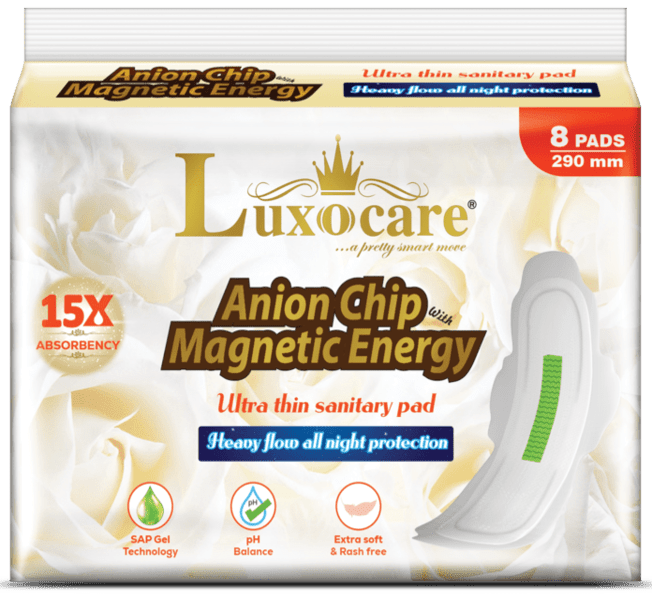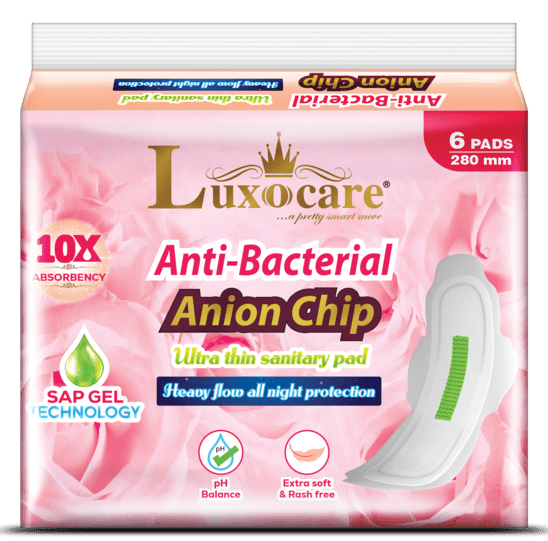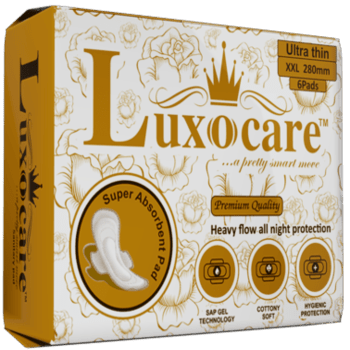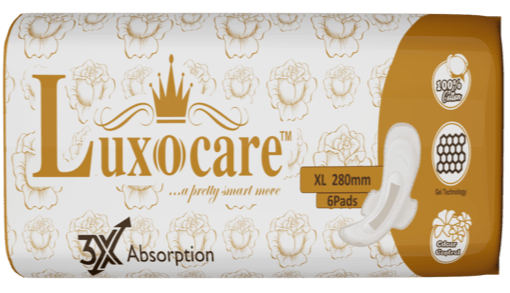
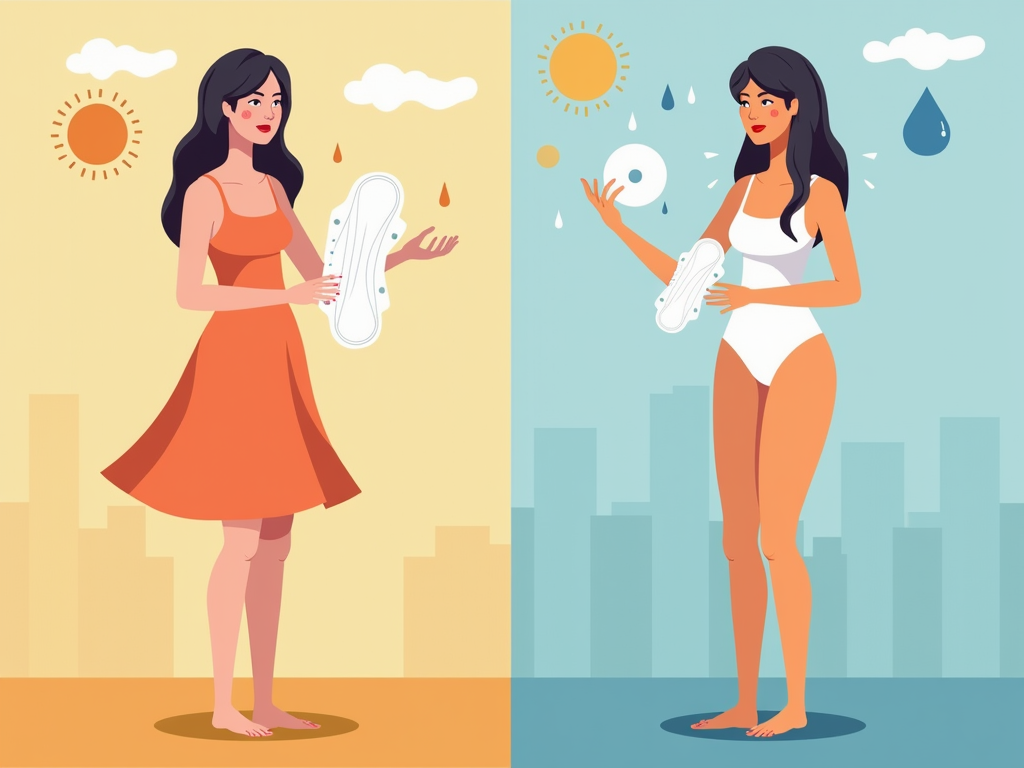
Choosing the right sanitary pad for varying weather conditions can enhance comfort and ensure optimal menstrual protection. Weather can significantly impact how you experience your period, from temperature extremes to humidity levels. Here’s a guide to help you select the best sanitary pads for different weather conditions.
Hot and Humid Weather
1. Opt for Breathable Materials
Fabric: Choose pads made from breathable materials that allow air circulation. This helps to reduce moisture buildup and keeps you feeling fresh.
Mesh Layer: Pads with a mesh top layer can wick away moisture and prevent a sticky or uncomfortable feeling.
2. Select Ultra-Thin Pads
Comfort: Ultra-thin pads are less bulky and more comfortable in hot weather. They provide reliable protection without adding extra heat.
Discretion: Their slim profile makes them less noticeable, which is beneficial when you’re wearing lightweight or fitted clothing.
3. Consider Pads with Anti-Odor Technology
Odor Control: Hot and humid conditions can increase the likelihood of unpleasant odors. Choose pads with built-in odor control features to stay feeling fresh.
Absorbency: Ensure the pad has good absorbency to handle increased moisture and prevent odors.
4. Use Pads with Adhesive Wings
Secure Fit: Adhesive wings help keep the pad in place, preventing it from shifting due to movement or sweating.
Reduced Leakage: The wings provide additional protection against leakage, which is particularly important in hot, sweaty conditions.
Cold Weather
1. Choose High Absorbency Pads
Heavy Flow: Cold weather can sometimes coincide with heavier menstrual flow. Opt for pads with high absorbency to handle increased flow and provide comfort.
Extended Protection: Consider overnight pads or those with enhanced absorbency for extended wear during colder months.
2. Look for Pads with Soft, Warming Materials
Comfort: Soft materials can provide a comforting feeling in colder weather. Look for pads with plush, gentle surfaces for added comfort.
Heat Retention: While not specifically designed for warmth, softer pads can feel more comforting and less harsh against your skin.
3. Avoid Pads with Heavy Plastic Backing
Breathability: In cold weather, you might not need as much breathability as in hot weather, but it’s still important to avoid overly plasticized backings that can trap moisture.
Comfort: Pads with softer, more flexible materials can offer a more comfortable experience in colder temperatures.
4. Prepare for Indoor vs. Outdoor Activities
Indoor Comfort: Use pads that ensure comfort and absorbency while you’re indoors and more likely to be stationary.
Outdoor Protection: For outdoor activities, such as skiing or hiking, choose pads with excellent absorbency and secure adhesive wings to manage flow and movement.
Rainy Weather
1. Opt for Leak-Proof Pads
Water Resistance: Choose pads with leak-proof technology to prevent leakage during rainy weather. Ensure they have a strong, reliable backing to handle increased moisture.
High Absorbency: Pads with high absorbency will handle any unexpected leaks due to the combined effects of rain and menstrual flow.
2. Look for Secure Adhesive
Staying in Place: Ensure the pad’s adhesive is strong enough to keep it in place even if you are wearing rain-resistant clothing or during sudden movements.
Additional Coverage: Pads with wings offer extra security to prevent shifting and leakage during rainy conditions.
3. Consider Disposable vs. Reusable
Disposable Pads: In wet conditions, disposable pads can offer a more hygienic and convenient option, as they can be changed more frequently if needed.
Reusable Pads: If using reusable pads, make sure you have a reliable method for carrying and storing them to stay dry and clean.
Dry Weather
1. Choose Regular or Ultra-Thin Pads
Comfort: In dry weather, you can comfortably use regular or ultra-thin pads without needing additional features for moisture control.
Variety: Depending on your flow, you can select from a variety of pad thicknesses and absorbencies to suit your needs.
2. Look for Breathable Options
Comfort: Even in dry weather, breathable materials enhance comfort and prevent irritation. Look for pads that feature breathable fabrics and moisture-wicking properties.
Odor Control: Pads with anti-odor technology can be beneficial even in dry conditions to ensure freshness.
3. Consider Pad Size and Coverage
Daytime vs. Nighttime: Select the appropriate size and absorbency based on your daily or nighttime needs. Ultra-thin pads are ideal for daytime, while thicker options are suitable for heavier flows.
4. Avoid Overly Thick or Plastic Pads
Breathability: Thick, plastic-backed pads may not be necessary in dry weather and can be less comfortable. Opt for pads with softer, more breathable materials.