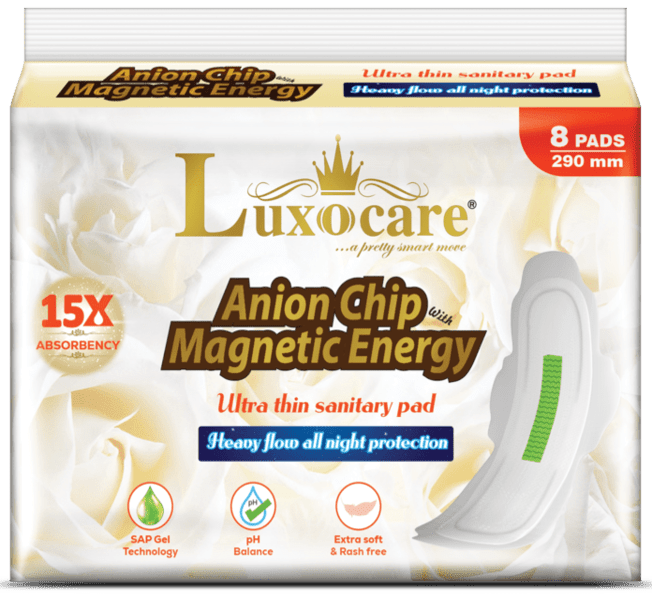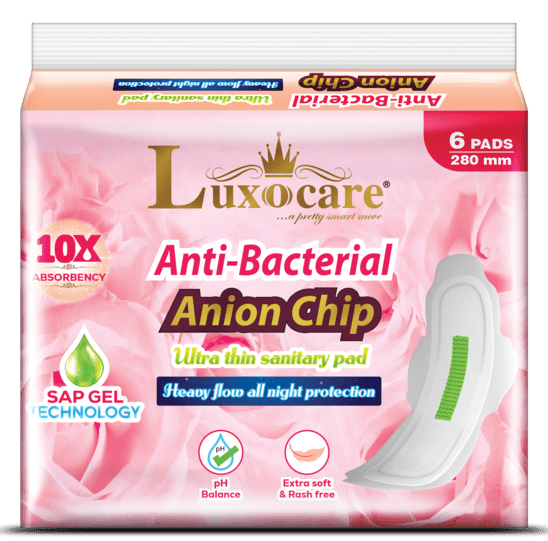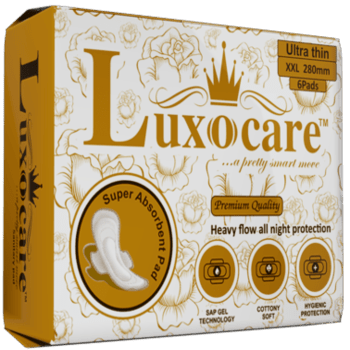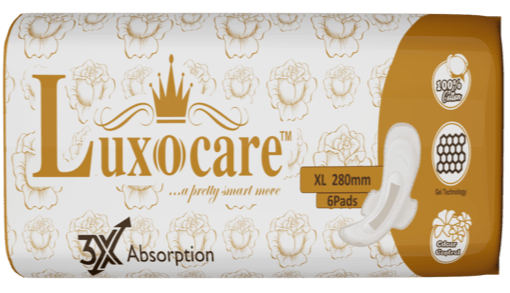
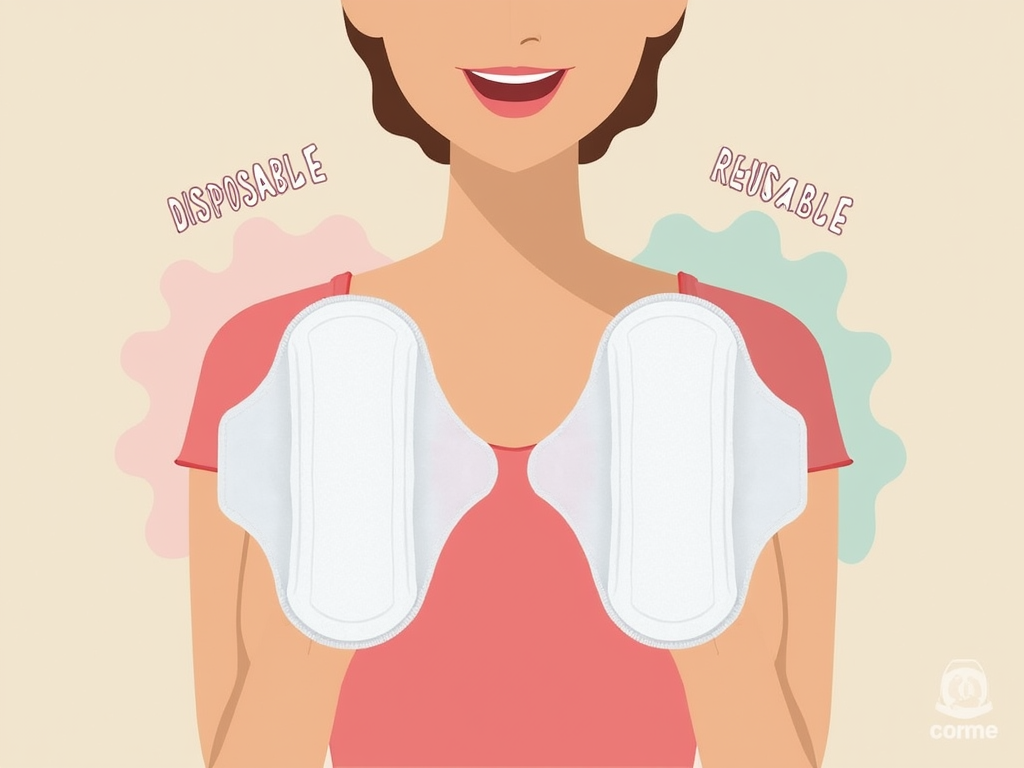
Choosing the right type of sanitary pad is essential for managing menstrual flow effectively while maintaining comfort and hygiene. The two main categories of sanitary pads are disposable and reusable. Each option has its own set of benefits and considerations. This guide provides a comprehensive comparison of disposable and reusable sanitary pads to help you make an informed decision.
Disposable Sanitary Pads
1. Convenience
Ready to Use: Disposable pads are designed for one-time use and are ready to use right out of the package. They offer a high level of convenience, especially for those with busy lifestyles.
No Cleaning Required: After use, simply dispose of the pad. This eliminates the need for washing and drying, making them a hassle-free option.
2. Absorbency and Variety
Varied Absorbency Levels: Disposable pads come in a range of absorbency levels, from light to heavy flow, ensuring you can find a pad that suits your needs.
Special Features: Many disposable pads feature advanced technologies, such as gel cores and odor control, to enhance performance and comfort.
3. Hygiene and Disposal
Sanitary Disposal: Disposable pads are designed for sanitary disposal, often including disposal pouches or wrappers for convenience.
Waste Management: While they offer convenience, disposable pads contribute to waste. It’s important to dispose of them properly to minimize environmental impact.
4. Cost
Initial Cost: Disposable pads typically have a lower initial cost but can add up over time with regular use. Consider the long-term cost when choosing this option.
5. Environmental Impact
Single-Use Waste: Disposable pads generate significant waste, as they are used once and thrown away. This contributes to landfill accumulation and environmental concerns.
Reusable Sanitary Pads
1. Sustainability
Eco-Friendly: Reusable pads are an environmentally friendly choice as they reduce the amount of single-use waste. They can be washed and used multiple times, helping to decrease landfill waste.
Long-Term Savings: Although the initial cost of reusable pads is higher, they can save money over time since they are designed to last for several years with proper care.
2. Comfort and Health
Soft, Natural Materials: Reusable pads are often made from natural, breathable fabrics like cotton, which can be gentler on the skin and reduce the risk of irritation.
Customizable Fit: Many reusable pads come with adjustable snaps or wings, allowing you to customize the fit for added comfort and protection.
3. Maintenance
Washing and Care: Reusable pads require washing after each use. This involves rinsing them, washing them in a machine or by hand, and drying them. Proper care is essential to maintain hygiene and extend the life of the pads.
Storage: You will need a designated storage solution for clean and used pads, such as a wet bag or pouch, when on the go.
4. Absorbency and Variety
Customizable Absorbency: Reusable pads come in various absorbency levels and sizes. Some even offer inserts for additional absorbency, allowing you to customize based on your flow.
Eco-Friendly Materials: Many reusable pads are made from organic or sustainable materials, which can be beneficial for both your health and the environment.
5. Cost
Initial Investment: The upfront cost of reusable pads can be higher compared to disposable pads. However, this investment pays off over time due to their long-lasting nature.
Cost Savings: Reusable pads can save money in the long run since they do not need to be replaced as frequently as disposable pads.
Comparing Both Options
1. Environmental Impact
Disposable: Contributes to environmental waste due to single-use design. Proper disposal is important to minimize environmental impact.
Reusable: More eco-friendly as they reduce landfill waste and have a smaller environmental footprint over time.
2. Convenience vs. Maintenance
Disposable: Offers convenience with no need for washing or special storage. Ideal for busy lifestyles or for use in situations where washing facilities are unavailable.
Reusable: Requires washing and maintenance but offers long-term cost savings and environmental benefits. Best suited for those who can manage the additional care.
3. Comfort and Health
Disposable: Often includes advanced features like odor control and ultra-thin designs for comfort. However, some may find the materials less breathable.
Reusable: Made from natural, breathable materials that can reduce irritation and offer a comfortable fit. Customizable options allow for personalized comfort.
4. Cost
Disposable: Lower initial cost but higher long-term cost due to repeated purchases.
Reusable: Higher initial cost but cost-effective in the long run with proper care.