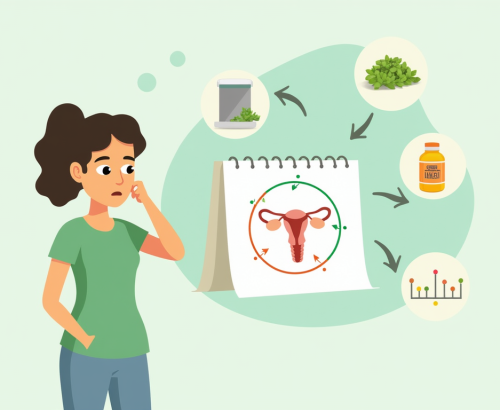
Vitamins and supplements can play a significant role in managing menstrual health. They can help alleviate common symptoms such as cramps, mood swings, and fatigue, as well as support overall reproductive health. This guide explores the key vitamins and supplements that can help you stay healthy and comfortable during your period.
Key Vitamins for Menstrual Health
1. Vitamin B6
Benefits: Vitamin B6 helps regulate mood by aiding in the production of neurotransmitters such as serotonin and dopamine. It can help reduce symptoms of premenstrual syndrome (PMS), such as irritability and mood swings.
Sources: Foods rich in vitamin B6 include bananas, potatoes, chickpeas, and poultry. Supplements are also available.
2. Vitamin E
Benefits: Vitamin E has antioxidant properties that can help reduce menstrual pain and cramps. It may also help alleviate breast tenderness and other PMS symptoms.
Sources: Vitamin E can be found in nuts, seeds, spinach, and broccoli. Supplements are widely available.
3. Vitamin D
Benefits: Vitamin D is essential for calcium absorption and bone health. It can also help regulate menstrual cycles and reduce symptoms of PMS.
Sources: Sun exposure is a natural source of vitamin D. It is also found in fatty fish, fortified dairy products, and supplements.
4. Vitamin C
Benefits: Vitamin C is an antioxidant that helps support the immune system. It also aids in the absorption of iron, which is important during menstruation to prevent anemia.
Sources: Citrus fruits, strawberries, bell peppers, and broccoli are rich in vitamin C. Supplements are available if needed.
5. Vitamin B12
Benefits: Vitamin B12 is crucial for red blood cell formation and energy production. It can help reduce fatigue and weakness during menstruation.
Sources: Vitamin B12 is found in animal products such as meat, dairy, and eggs. Vegetarians and vegans may need to take supplements.
Essential Minerals for Menstrual Health
1. Iron
Benefits: Iron is essential for producing hemoglobin, which carries oxygen in the blood. Menstruating individuals are at risk of iron deficiency due to blood loss, which can lead to anemia and fatigue.
Sources: Red meat, poultry, beans, lentils, and fortified cereals are good sources of iron. Iron supplements may be necessary for those with significant deficiency.
2. Magnesium
Benefits: Magnesium helps relax muscles and can reduce menstrual cramps and headaches. It also supports mood regulation and can alleviate anxiety and irritability associated with PMS.
Sources: Dark leafy greens, nuts, seeds, whole grains, and fish are rich in magnesium. Supplements are available if dietary intake is insufficient.
3. Calcium
Benefits: Calcium is important for bone health and can help reduce menstrual cramps and mood swings. It works in conjunction with vitamin D for optimal absorption and effectiveness.
Sources: Dairy products, leafy green vegetables, and fortified plant-based milks are good sources of calcium. Supplements can be taken if dietary intake is low.
Herbal Supplements for Menstrual Health
1. Evening Primrose Oil
Benefits: Evening primrose oil is rich in gamma-linolenic acid (GLA), an omega-6 fatty acid that can help reduce PMS symptoms such as breast tenderness, bloating, and irritability.
Usage: It is commonly taken as a supplement in capsule form.
2. Chasteberry (Vitex Agnus-Castus)
Benefits: Chasteberry can help balance hormones and reduce symptoms of PMS, including mood swings, breast pain, and bloating. It is also used to regulate menstrual cycles.
Usage: It is available in tincture, capsule, or tea form.
3. Ginger
Benefits: Ginger has anti-inflammatory properties that can help reduce menstrual pain and cramps. It is also effective in alleviating nausea associated with PMS.
Usage: Fresh ginger can be added to foods and teas, or taken as a supplement.
4. Turmeric
Benefits: Turmeric contains curcumin, an anti-inflammatory compound that can help reduce menstrual pain and inflammation.
Usage: Turmeric can be used in cooking, taken as a tea, or as a supplement.
Tips for Taking Vitamins and Supplements
1. Consult with a Healthcare Provider
Personalized Advice: Before starting any new vitamin or supplement regimen, consult with a healthcare provider to ensure it is safe and appropriate for your individual needs.
2. Balanced Diet
Complementary Approach: Vitamins and supplements should complement a balanced diet rich in fruits, vegetables, whole grains, lean proteins, and healthy fats.
3. Quality Matters
Choose High-Quality Products: Select high-quality supplements from reputable brands to ensure purity and effectiveness.
4. Follow Dosage Instructions
Avoid Overdose: Stick to the recommended dosage instructions to avoid potential side effects or interactions with other medications.