
Choosing the right menstrual product is essential for managing your period comfortably and effectively. Sanitary pads, menstrual cups, and tampons each offer distinct benefits and considerations. This guide provides a detailed comparison of these three options to help you make an informed decision.
Sanitary Pads
1. How They Work
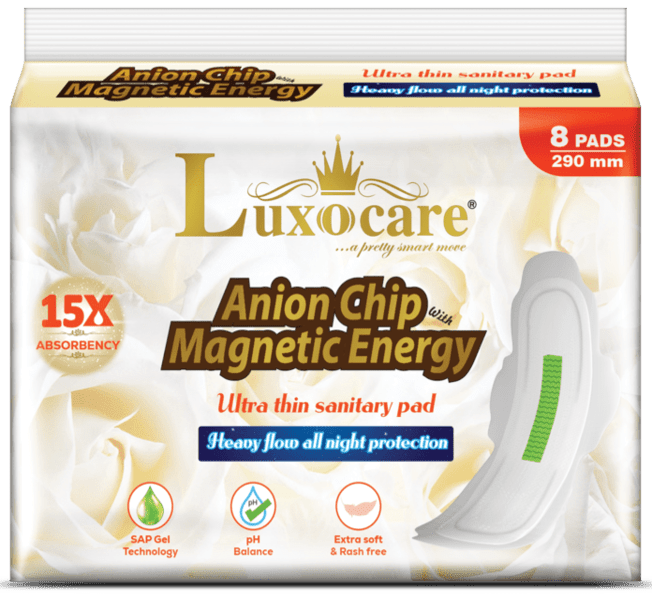
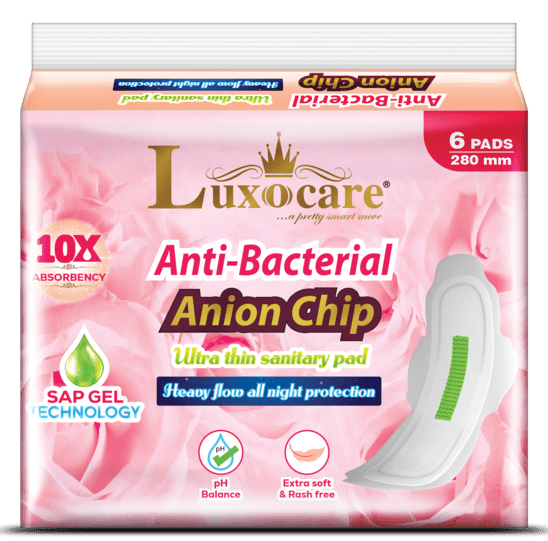
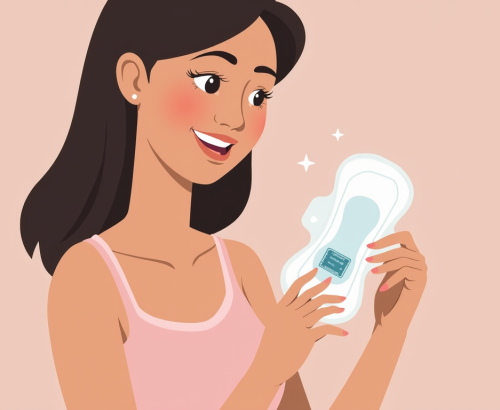
Design: Sanitary pads are absorbent pads worn inside underwear to collect menstrual flow. They have an adhesive backing to keep them in place.
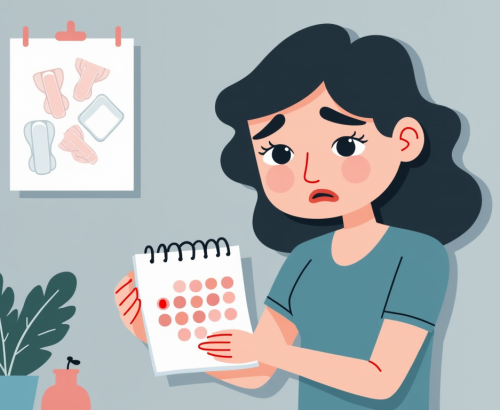
Usage: Pads are available in various absorbency levels and lengths, designed for different flow intensities and times of day.
2. Benefits
Ease of Use: Pads are straightforward to use and require no internal insertion. They are easy to apply and remove, making them a user-friendly option for many.
Comfort: Many find pads comfortable, especially those who are sensitive to internal products. Pads are also suitable for people with certain medical conditions or anatomical considerations.
Variety: Available in multiple absorbency levels, sizes, and types (e.g., overnight, winged, ultra-thin), allowing for customization based on personal needs.
Hygiene: Pads are convenient for checking and changing during heavy flow days. They are also useful for postpartum bleeding and for those who experience spotting.
3. Considerations
Disposal: Pads are disposable and contribute to waste. They must be disposed of properly, which can be an environmental concern.
Comfort: Some may find pads bulky or uncomfortable, especially in warmer weather or during physical activities.
Leakage: While designed to absorb moisture, pads may sometimes leak, particularly if they are not changed regularly or if the flow is very heavy.
Menstrual Cups
1. How They Work
Design: Menstrual cups are flexible, funnel-shaped cups made of silicone or rubber. They are inserted into the vagina to collect menstrual blood.
Usage: The cup creates a seal against the vaginal walls to prevent leaks. It is removed, emptied, washed, and reinserted.
2. Benefits
High Absorbency: Menstrual cups can hold more fluid than tampons or pads, making them suitable for long periods between changes.
Eco-Friendly: Reusable menstrual cups reduce menstrual product waste, making them an environmentally friendly option.
Cost-Effective: A menstrual cup is a one-time purchase that can last several years, offering significant long-term savings.
Discreet: Cups are less visible and do not produce bulkiness or visible lines, making them a discreet choice under clothing.
3. Considerations
Insertion and Removal: Using a menstrual cup requires practice to insert and remove it correctly. It may take some time to get comfortable with the process.
Cleaning: Regular cleaning and sterilizing are required to maintain hygiene. This can be a bit more involved compared to disposable options.
Learning Curve: Some people may find it challenging to find the right fit or feel comfortable with the insertion and removal process initially.
Tampons
1. How They Work
Design: Tampons are small, absorbent products that are inserted into the vagina. They come with an applicator or can be inserted manually.
Usage: Tampons absorb menstrual blood internally. They need to be removed and replaced regularly throughout the day.
2. Benefits
Discreet and Comfortable: Tampons are less visible and can be worn comfortably during physical activities, including swimming.
Variety: Available in different absorbency levels and sizes, making them suitable for different flow intensities and personal preferences.
Ease of Use: Many people find tampons easy to use, especially those accustomed to internal menstrual products.
3. Considerations
Risk of Toxic Shock Syndrome (TSS): Although rare, there is a risk of TSS with tampon use, particularly with high absorbency tampons. It is important to follow guidelines on changing tampons regularly.
Dryness: Tampons absorb menstrual blood along with some natural vaginal secretions, which can sometimes lead to dryness or irritation.
Disposal: Tampons are disposable and contribute to waste. Proper disposal is necessary to avoid environmental impact.
Comparing the Options
1. Convenience and Comfort
Sanitary Pads: Easy to use and change but can be bulky. Suitable for those who prefer external products.
Menstrual Cups: Can be worn for longer periods and provide high absorbency. Requires practice for insertion and removal.
Tampons: Discreet and suitable for active use. Requires regular changing and can cause dryness.
2. Environmental Impact
Sanitary Pads: Disposable and contribute to landfill waste. Some eco-friendly options are available.
Menstrual Cups: Reusable and environmentally friendly with minimal waste.
Tampons: Disposable and contribute to waste, but there are organic and biodegradable options available.
3. Cost
Sanitary Pads: Lower initial cost but can add up over time with regular purchases.
Menstrual Cups: Higher initial cost but cost-effective over time with reusable use.
Tampons: Lower initial cost but ongoing expense with regular purchases.