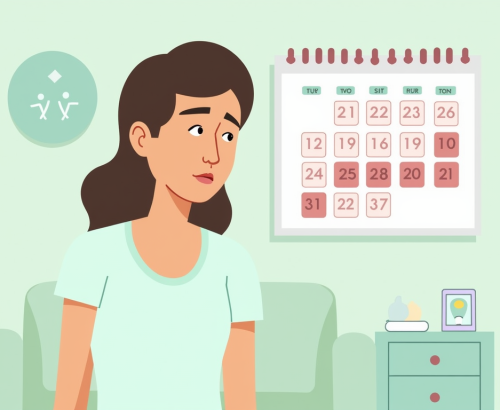

Managing comfort during your period can make a big difference in how you feel day-to-day. From choosing the right products to adjusting your lifestyle, there are various strategies you can use to stay comfortable throughout your menstrual cycle. Here’s a guide to help you feel your best during your period.
Choose the Right Sanitary Products
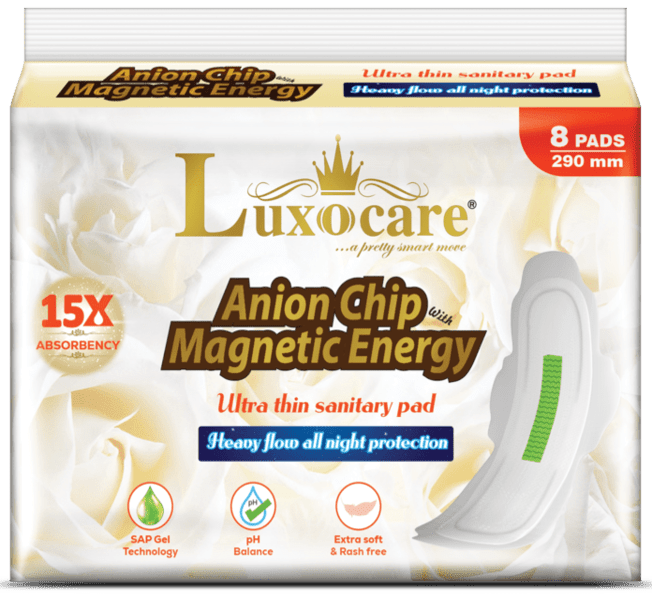
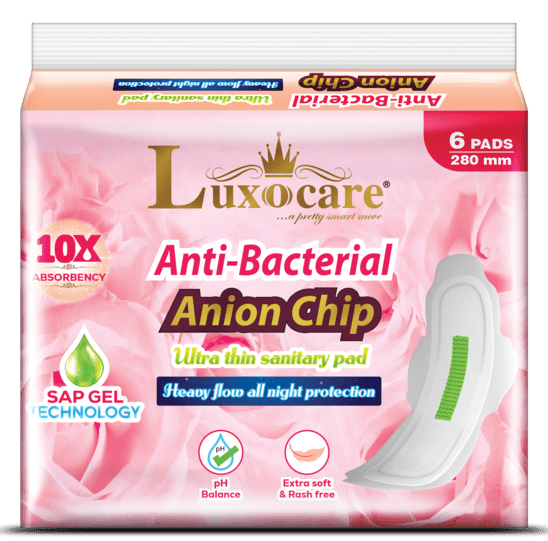
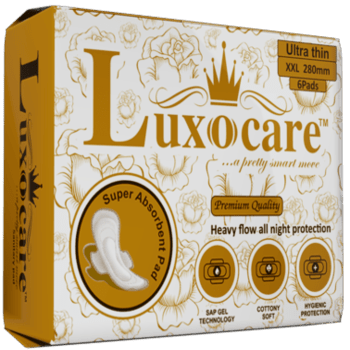
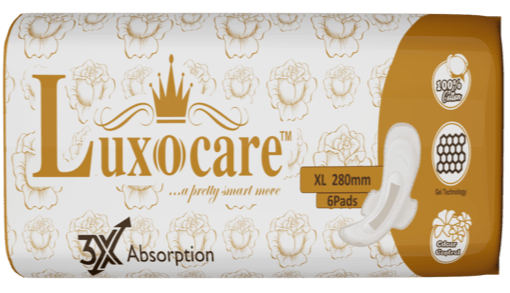
1. Sanitary Pads
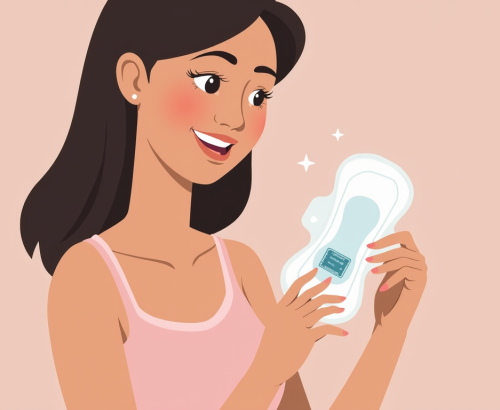
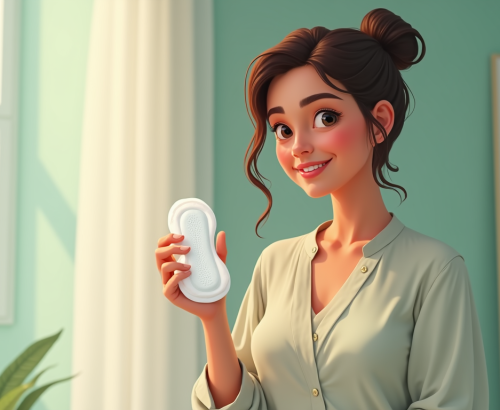
Comfort: Opt for pads that are soft and breathable. Pads with wings can help prevent leakage and provide a secure fit.
Absorbency: Choose pads with the appropriate absorbency for your flow. Ultra-thin pads are good for light to moderate flow, while thicker pads or overnight pads are better for heavy flow or overnight use.
2. Tampons
Fit: Select the right size and absorbency based on your flow. Tampons come in various absorbencies, so choose one that suits your needs.
Comfort: Make sure tampons are inserted correctly to avoid discomfort. Change them every 4-8 hours to maintain hygiene and comfort.
3. Menstrual Cups
Convenience: Menstrual cups can be worn for up to 12 hours, making them a convenient option for long days.
Comfort: Choose a cup size that fits comfortably and follow the instructions for proper insertion and removal.
Manage Period Pain
1. Pain Relief
Over-the-Counter Medications: Pain relievers like ibuprofen or acetaminophen can help manage cramps and discomfort. Follow the recommended dosage on the package.
Heat Therapy: Applying a heating pad or hot water bottle to your lower abdomen can help relax muscles and alleviate cramps.
2. Exercise
Light Activity: Gentle exercises like walking, yoga, or stretching can help improve blood circulation and reduce menstrual cramps. Avoid intense workouts if you’re feeling fatigued.
3. Relaxation Techniques
Deep Breathing: Practice deep breathing exercises to help manage stress and reduce the perception of pain.
Meditation: Engaging in mindfulness or meditation can help relax your mind and body, easing discomfort.
Adjust Your Diet
1. Hydration
Drink Water: Staying hydrated can help reduce bloating and maintain overall comfort. Aim for 8 glasses of water a day.
2. Balanced Diet
Eat Nutrient-Rich Foods: Incorporate fruits, vegetables, whole grains, and lean proteins into your diet. These foods provide essential nutrients and can help reduce bloating and fatigue.
3. Reduce Salt and Caffeine
Minimize Salt: Reducing salt intake can help manage bloating and water retention.
Limit Caffeine: Caffeine can exacerbate cramps and discomfort. Consider reducing your intake or switching to herbal teas.
Wear Comfortable Clothing
1. Loose-Fitting Clothes
Comfortable Fit: Wear loose-fitting clothes that don’t constrict your abdomen. This can help reduce discomfort and avoid added pressure on your lower body.
2. Soft Fabrics
Breathable Materials: Choose clothing made from soft, breathable fabrics like cotton. This helps keep you comfortable and avoids irritation.
Maintain Good Hygiene
1. Regular Changes
Sanitary Products: Change your pads, tampons, or menstrual cup regularly to maintain hygiene and prevent leaks. This also helps you stay fresh and comfortable.
2. Gentle Cleansing
Mild Soap: Use a mild, unscented soap to wash the external genital area. Avoid douching or using harsh products that can disrupt the natural balance.
Manage Emotional Well-Being
1. Self-Care
Pamper Yourself: Take time for activities that make you feel good, such as reading a book, taking a bath, or enjoying a favorite hobby.
2. Emotional Support
Talk About It: Share your feelings with friends or family if you’re feeling overwhelmed. Sometimes talking about your experience can help ease emotional discomfort.
3. Rest and Relaxation
Get Enough Sleep: Prioritize getting adequate rest to help your body recover and manage symptoms more effectively.
Plan Ahead
1. Be Prepared
Carry Essentials: Keep a small kit with your preferred sanitary products, pain relievers, and any other comfort items in your bag, so you’re always prepared.
2. Track Your Cycle
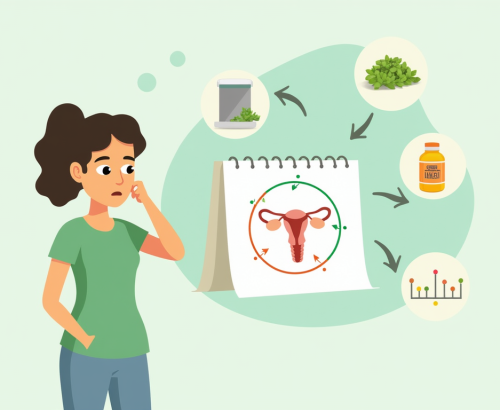
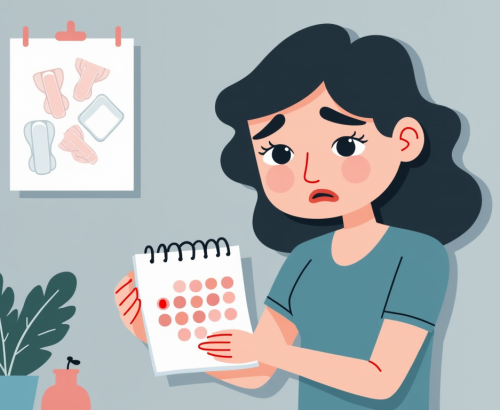
Menstrual Calendar: Use a menstrual calendar or app to track your cycle and anticipate when your period will start. This can help you plan and manage symptoms more effectively.