Period cramps are a common challenge during your menstrual cycle, affecting many people with varying degrees of discomfort. If you’re looking for natural methods to relieve cramps and make your period more comfortable, you’ve come to the right place. In this guide, we’ll explore effective, natural strategies to manage period cramps and find relief.
Understanding Period Cramps
Period cramps, or dysmenorrhea, occur due to the contraction of the uterus as it sheds its lining during menstruation. These contractions can cause pain in the lower abdomen, back, and thighs. While cramps are a normal part of the menstrual cycle, they can range from mild to severe, impacting daily activities.
Natural Remedies for Period Cramps
Heat Therapy
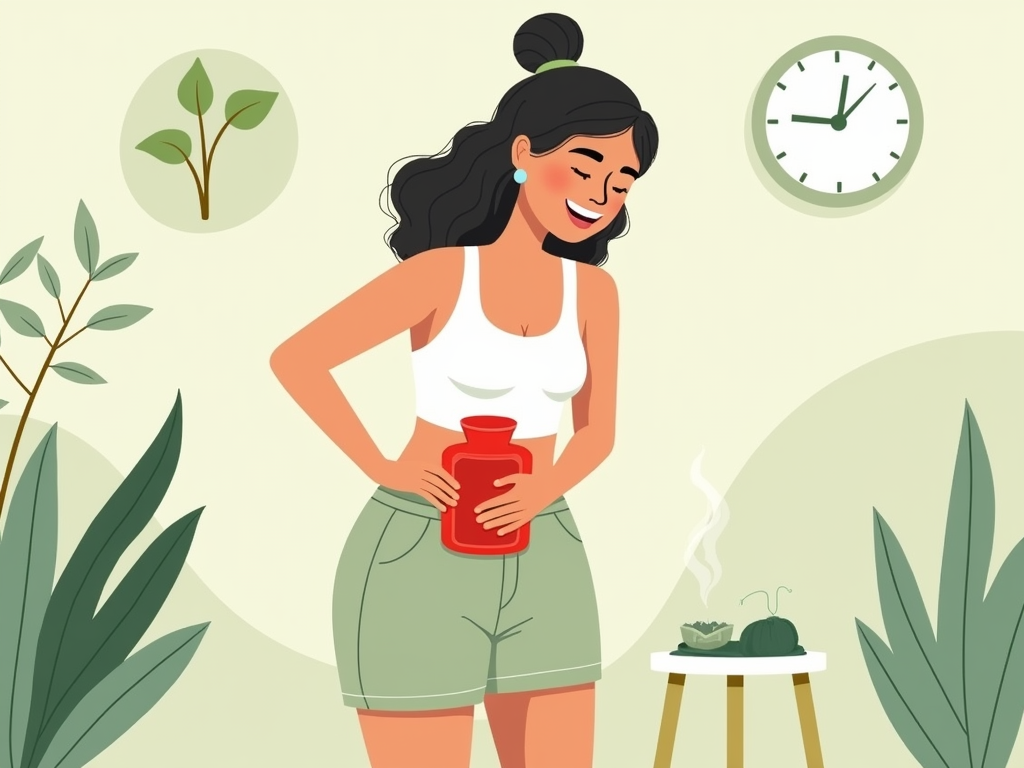
Applying heat to your lower abdomen can help relax uterine muscles and alleviate cramping. You can use a heating pad, hot water bottle, or warm towel. Heat therapy improves blood flow and reduces muscle tension, offering soothing relief.
Herbal Teas
Certain herbal teas have anti-inflammatory and muscle-relaxing properties that can help ease cramps. Ginger tea, chamomile tea, and peppermint tea are popular choices. Ginger helps reduce inflammation, chamomile relaxes the muscles, and peppermint can relieve pain and bloating.
Exercise
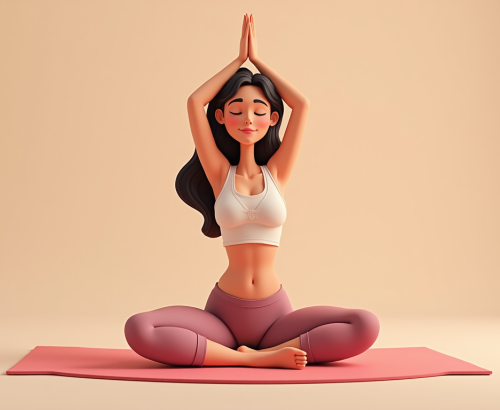
Regular exercise can help reduce the severity of period cramps. Physical activity releases endorphins, which act as natural painkillers and mood enhancers. Gentle exercises like walking, yoga, or stretching can improve blood circulation and reduce cramp intensity.
Hydration
Staying hydrated is crucial for managing cramps. Drinking plenty of water helps prevent bloating and maintains fluid balance in your body. Proper hydration also supports overall muscle function and can ease cramping discomfort.
Balanced Diet
Eating a balanced diet rich in vitamins and minerals can help manage period cramps. Foods high in magnesium, calcium, and omega-3 fatty acids can be particularly beneficial. Leafy greens, nuts, seeds, and fatty fish like salmon can support muscle relaxation and reduce inflammation.
Massage
Gently massaging your lower abdomen can help relax the uterine muscles and relieve cramping. Use circular motions with light pressure to ease tension and improve blood flow. You can also use essential oils like lavender or eucalyptus mixed with a carrier oil for added relaxation.
Acupuncture
Acupuncture is a traditional Chinese medicine technique that involves inserting thin needles into specific points on the body. It can help balance energy flow and relieve pain. Many people find acupuncture effective for reducing period cramps and improving overall well-being.
Magnesium Supplements
Magnesium is a mineral that helps relax muscles and reduce inflammation. Taking magnesium supplements or eating magnesium-rich foods like bananas, avocados, and dark chocolate can help ease cramping. Always consult a healthcare provider before starting any new supplements.
Adequate Rest
Getting enough rest and sleep is essential for managing period cramps. Fatigue can exacerbate pain and discomfort. Aim for 7-9 hours of quality sleep each night and take breaks during the day to rest and recharge.
Avoid Caffeine and Alcohol
Caffeine and alcohol can contribute to bloating and worsen period cramps. Reducing your intake of these substances can help minimize discomfort and promote overall comfort during your period.
Tips for Effective Cramp Management
Track Your Cycle
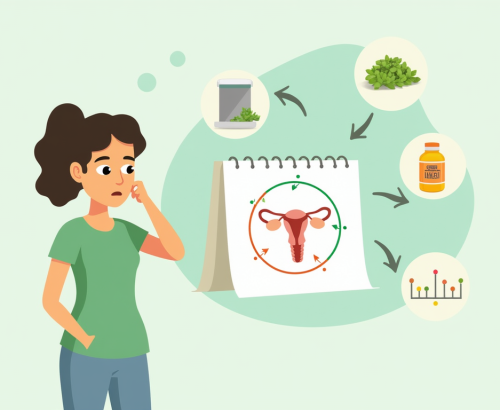
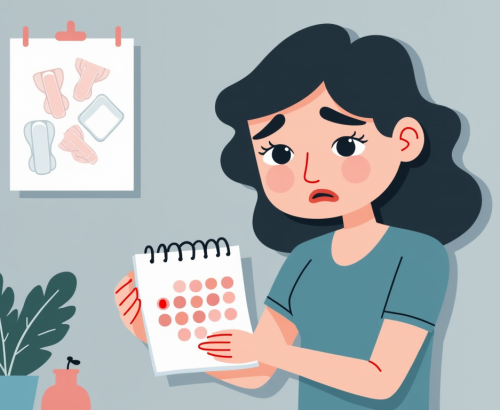
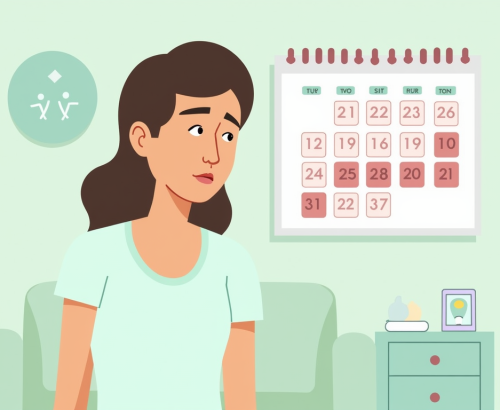
Keeping track of your menstrual cycle can help you anticipate when cramps might occur and prepare accordingly. Use a period tracker app or a calendar to monitor your symptoms and identify patterns.
Practice Relaxation Techniques
Stress and anxiety can increase the intensity of period cramps. Practice relaxation techniques such as deep breathing, meditation, or mindfulness to manage stress and promote overall well-being.
Adjust Your Lifestyle
Making lifestyle adjustments, such as incorporating regular exercise and a balanced diet, can have a positive impact on your menstrual health. Small changes can make a big difference in how you experience period cramps.
Consult a Healthcare Provider
If natural remedies aren’t providing sufficient relief or if you experience severe or unusual symptoms, consult a healthcare provider. They can help identify any underlying issues and recommend appropriate treatments or interventions.