After giving birth, your body undergoes numerous changes, and your menstrual cycle is one aspect that can be affected. Managing periods after childbirth can be a new experience, as they may differ from your pre-pregnancy periods in terms of flow, duration, and symptoms. This guide provides practical tips to help you navigate and manage your menstrual cycle postpartum.
Understanding Postpartum Periods
Return of Menstrual Cycle
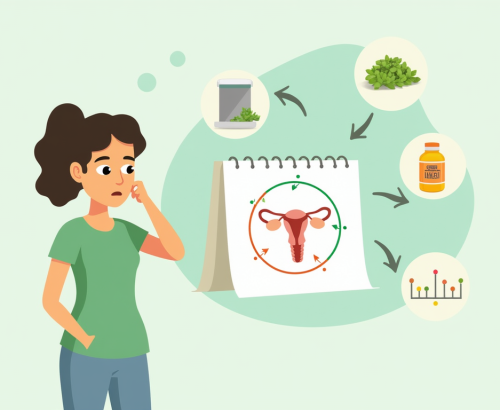
Timing: The return of your menstrual cycle after childbirth varies. If you are breastfeeding exclusively, it may take several months or longer for your period to return due to the hormone prolactin, which suppresses ovulation. If you are not breastfeeding, your period may return within 6-8 weeks postpartum.
Variation: Your periods may be irregular at first, with changes in flow, duration, and symptoms compared to your pre-pregnancy cycles.
Managing Menstrual Symptoms
Pain Relief
Over-the-Counter Medications: Ibuprofen or acetaminophen can help alleviate menstrual cramps and pain. Always follow the recommended dosage instructions and consult with your healthcare provider if you have any concerns.
Heat Therapy: Applying a heating pad or hot water bottle to your lower abdomen can provide relief from cramps.
Hydration
Stay Hydrated: Drinking plenty of water can help reduce bloating and keep your body functioning optimally.
Balanced Diet
Nutrient-Rich Foods: Eat a balanced diet that includes plenty of fruits, vegetables, whole grains, lean proteins, and healthy fats. Nutrient-rich foods can help manage symptoms and improve overall well-being.
Reduce Caffeine and Sugar: Limiting caffeine and sugary foods can help reduce bloating and irritability.
Choosing the Right Sanitary Products
Pads
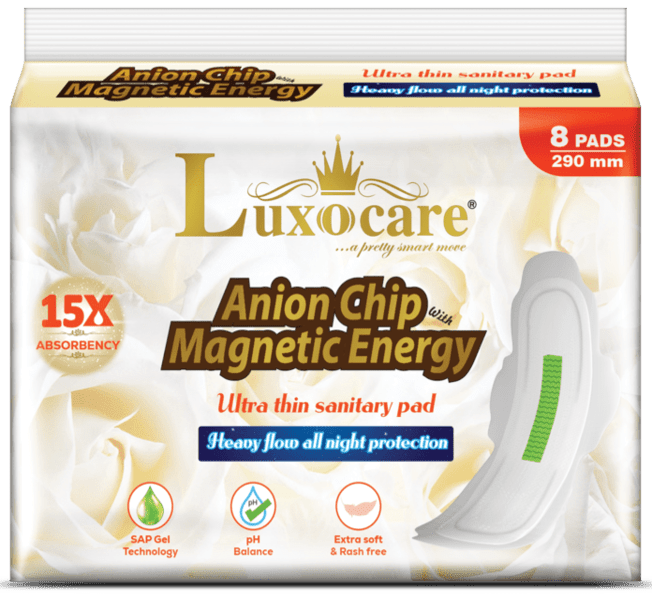
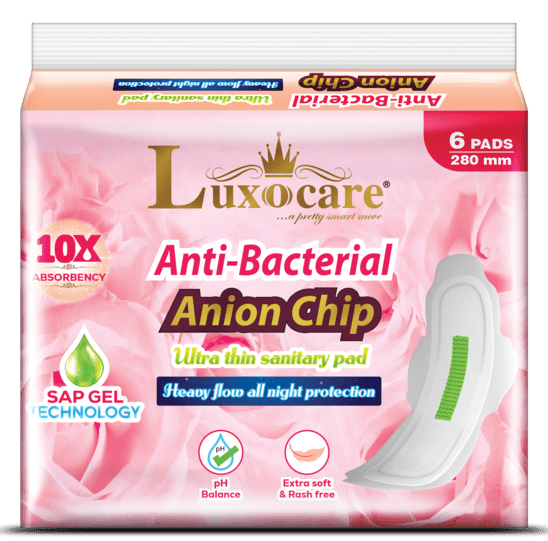
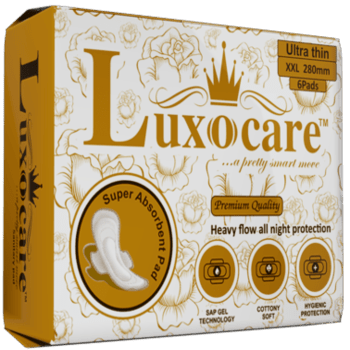
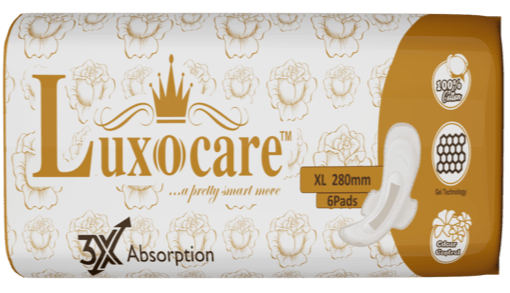
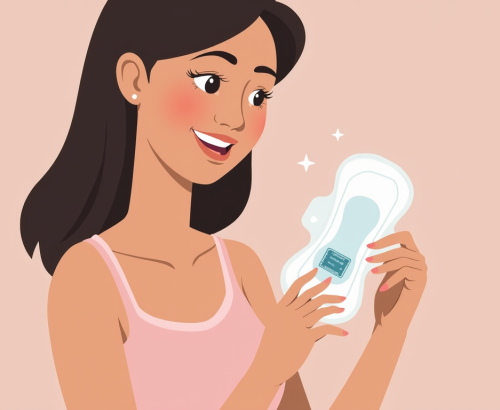
Postpartum Pads: Initially, you may need postpartum pads, which are larger and more absorbent, to manage the heavier flow common after childbirth.
Regular Pads: Once your flow normalizes, switch to regular pads that match your flow level. Choose pads that are comfortable and prevent leakage.
Tampons
Wait for Healing: Avoid using tampons until you are fully healed from childbirth to reduce the risk of infection. This can take about 6-8 weeks or as advised by your healthcare provider.
Menstrual Cups
Comfort and Convenience: Menstrual cups can be a comfortable and convenient option once you have fully healed. Ensure proper hygiene and follow the manufacturer’s instructions for use.
Monitoring Your Cycle
Track Your Periods
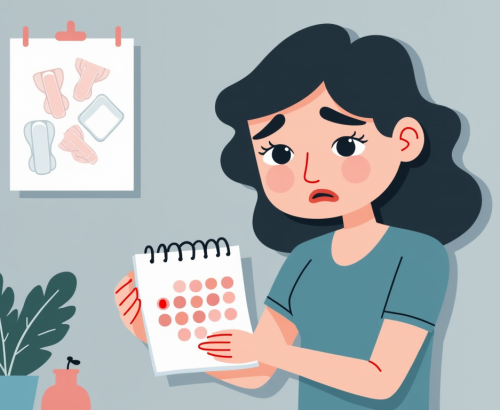
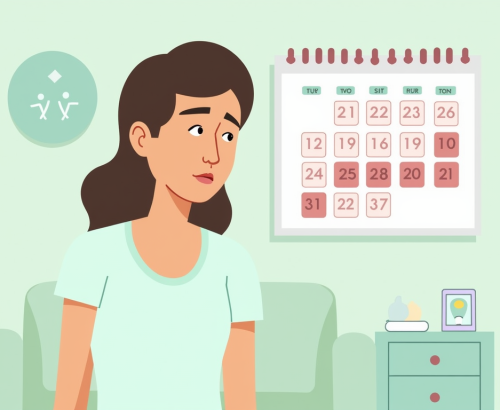
Menstrual Calendar or App: Use a menstrual calendar or app to track your periods. Note the start and end dates, flow intensity, and any symptoms you experience. This can help you understand your new cycle pattern and identify any irregularities.
Emotional and Mental Well-Being
Self-Care
Relaxation Techniques: Engage in relaxation techniques such as deep breathing, meditation, or gentle yoga to manage stress and improve your mood.
Me-Time: Take time for yourself to do activities you enjoy, whether it’s reading, taking a walk, or enjoying a hobby.
Support System
Talk About It: Share your experiences and feelings with your partner, family, or friends. Having a support system can help you navigate the changes and challenges postpartum.
Seek Professional Help: If you feel overwhelmed, anxious, or depressed, consider speaking with a mental health professional. Postpartum depression is common and treatable with the right support.
Consult Your Healthcare Provider
Postpartum Check-Up
Regular Appointments: Attend your postpartum check-ups to discuss any concerns about your menstrual cycle, symptoms, or overall health. Your healthcare provider can offer personalized advice and support.
Irregularities: If you experience very heavy bleeding, severe pain, or irregularities that concern you, consult your healthcare provider promptly.
Exercise and Physical Activity
Gentle Exercise
Postpartum Exercise: Engage in gentle exercises such as walking, stretching, or postpartum yoga to improve circulation and reduce menstrual cramps. Always consult with your healthcare provider before starting any exercise routine postpartum.
Pelvic Floor Exercises: Strengthen your pelvic floor muscles with exercises like Kegels. This can help improve bladder control and support overall pelvic health.
Breastfeeding and Menstrual Cycle
Breastfeeding Impact
Delayed Return: Breastfeeding can delay the return of your menstrual cycle due to the hormone prolactin, which suppresses ovulation.
Cycle Changes: Once your period returns, you may notice changes in your cycle due to breastfeeding. Tracking your periods can help you understand your new pattern.