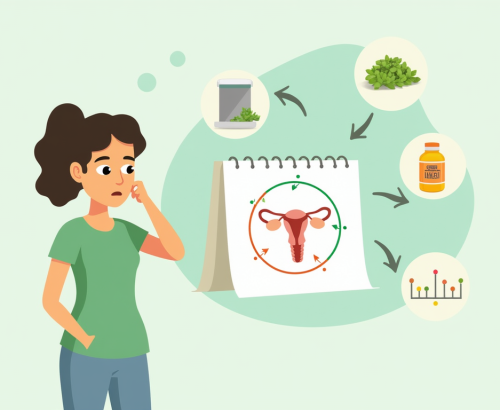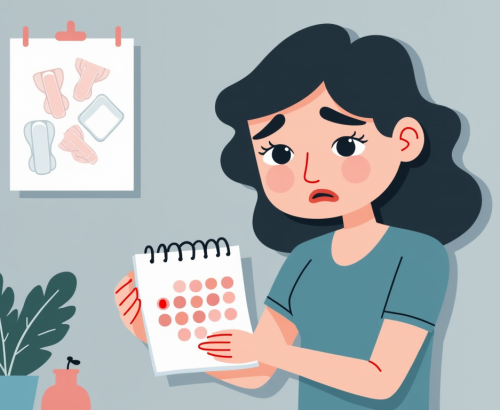
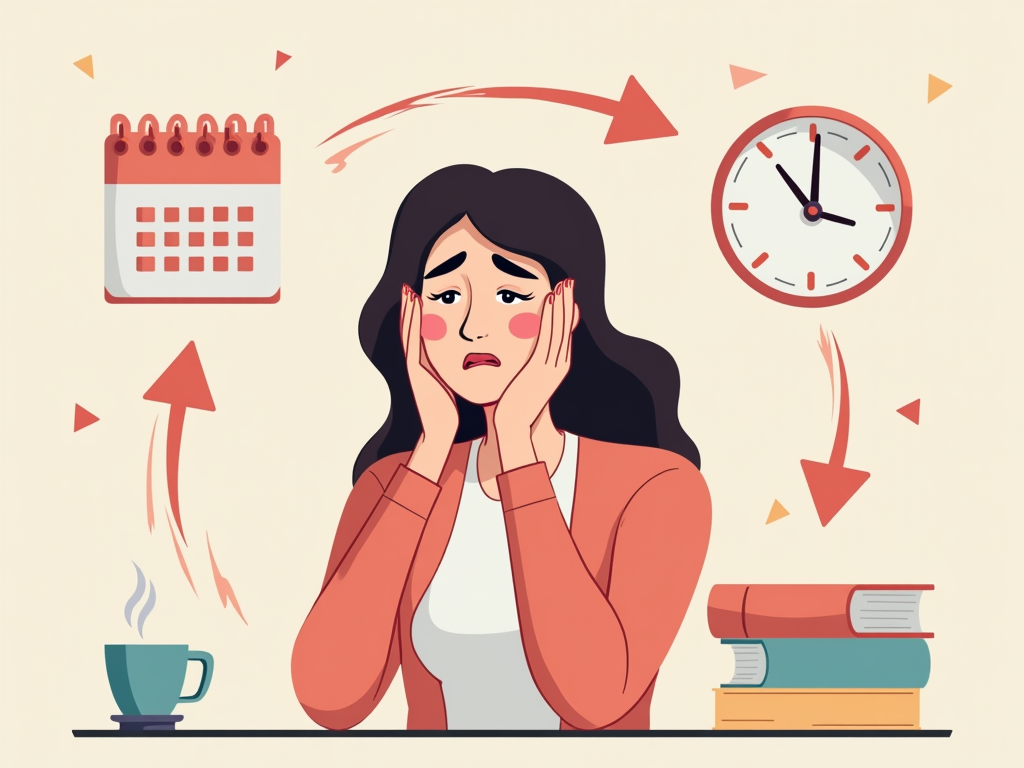
Stress is an inevitable part of life, but its impact on your menstrual cycle can be significant. Understanding how stress affects your menstrual cycle can help you manage both your stress levels and menstrual health more effectively. This guide will explore the relationship between stress and your menstrual cycle in simple, easy-to-understand language.
What is Stress?
Stress is your body’s response to any demand or challenge, whether physical, emotional, or psychological. While a certain amount of stress is normal and even beneficial, chronic or excessive stress can negatively impact various aspects of your health, including your menstrual cycle.
How Stress Affects Hormones
Stress triggers the release of certain hormones, particularly cortisol and adrenaline. When these stress hormones are elevated for prolonged periods, they can interfere with the balance of reproductive hormones such as estrogen, progesterone, follicle-stimulating hormone (FSH), and luteinizing hormone (LH).
Effects of Stress on the Menstrual Cycle
Irregular Periods
Hormonal Imbalance: Stress can disrupt the delicate balance of reproductive hormones, leading to irregular menstrual cycles. You may experience periods that are earlier or later than usual, or even missed periods.
Missed Periods (Amenorrhea)
Hypothalamic Amenorrhea: Severe or chronic stress can lead to a condition known as hypothalamic amenorrhea, where the part of the brain that regulates menstruation (the hypothalamus) slows or stops releasing the hormones needed for ovulation. This can result in missed periods.
Heavier or Lighter Periods
Endocrine Disruption: Stress can cause fluctuations in hormone levels, leading to changes in the flow and duration of your period. Some women may experience heavier bleeding, while others might notice lighter periods.
Increased PMS Symptoms
Enhanced Sensitivity: Stress can make your body more sensitive to hormonal changes, exacerbating premenstrual syndrome (PMS) symptoms such as mood swings, irritability, bloating, and breast tenderness.
Painful Periods (Dysmenorrhea)
Muscle Tension: Stress can increase muscle tension and inflammation, which may intensify menstrual cramps and discomfort.
Spotting Between Periods
Hormonal Fluctuations: Stress-induced hormonal imbalances can sometimes cause spotting or light bleeding between periods.
Stress and the Menstrual Cycle Phases
Follicular Phase
Hormone Production: During the follicular phase, stress can interfere with the production of FSH and estrogen, affecting the growth and maturation of ovarian follicles. This can lead to irregular or delayed ovulation.
Ovulation
Ovulation Delay: High stress levels can delay or prevent ovulation by disrupting the LH surge necessary for releasing a mature egg.
Luteal Phase
Shortened Luteal Phase: Stress can shorten the luteal phase (the time between ovulation and the start of your next period), leading to a shorter menstrual cycle.
Managing Stress to Support Your Menstrual Cycle
Practice Relaxation Techniques
Meditation and Yoga: Incorporate mindfulness practices like meditation and yoga into your daily routine to help reduce stress levels.
Deep Breathing: Engage in deep breathing exercises to calm your nervous system and lower stress hormones.
Regular Exercise
Physical Activity: Regular physical activity, such as walking, jogging, or swimming, can help reduce stress and promote hormonal balance.
Healthy Diet
Balanced Nutrition: Eating a balanced diet rich in fruits, vegetables, whole grains, lean proteins, and healthy fats can support overall health and help manage stress.
Hydration: Drink plenty of water to stay hydrated and maintain optimal bodily functions.
Adequate Sleep
Quality Sleep: Aim for 7-9 hours of quality sleep per night to support stress management and hormonal health.
Time Management
Prioritize Tasks: Organize and prioritize your tasks to avoid feeling overwhelmed. Break tasks into manageable steps and set realistic goals.
Seek Support
Social Connections: Maintain strong social connections with friends and family to provide emotional support and reduce feelings of stress.
Professional Help: If stress becomes unmanageable, consider seeking help from a mental health professional or counselor.