
Period stains and leaks are common concerns for many people during menstruation. They can be embarrassing and inconvenient, but with the right strategies and products, you can effectively manage and prevent them. This guide offers practical tips and tricks to help you stay comfortable and confident during your period.
Understanding Period Stains and Leaks
Period stains and leaks occur when menstrual blood seeps through your menstrual product and stains your clothing, bedding, or other surfaces. This can happen due to various reasons, such as heavy flow, improper use of menstrual products, or insufficient absorption capacity of the product you are using.
Choosing the Right Menstrual Products
Sanitary Pads
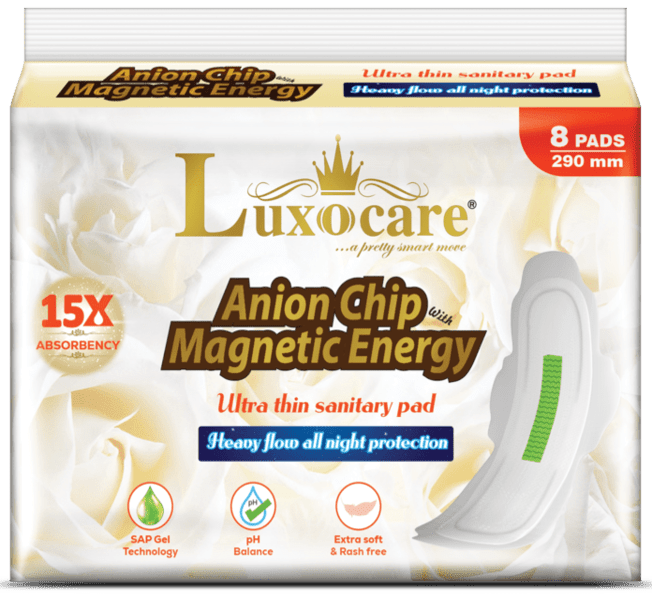
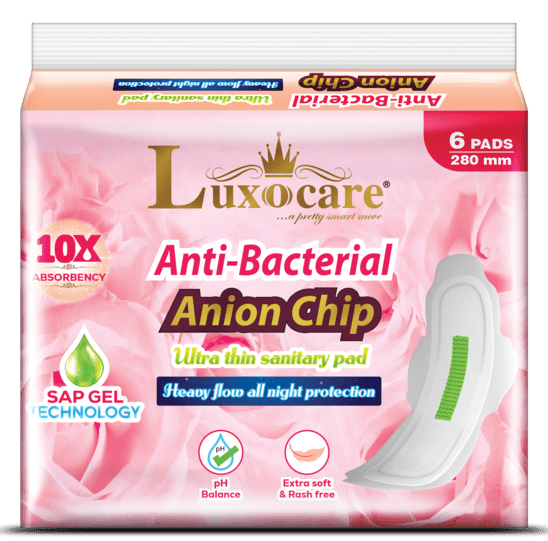
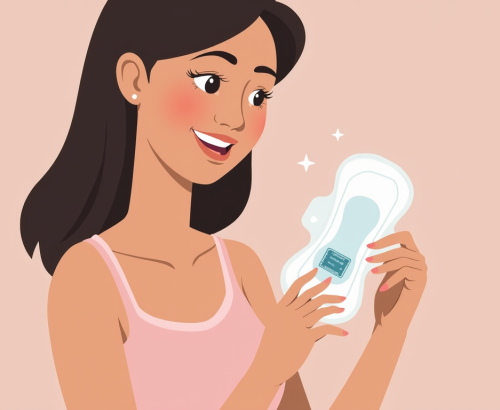
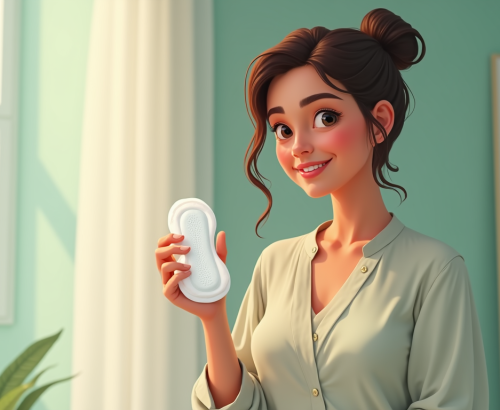
Heavy Flow Pads: Use pads designed for heavy flow on your heaviest days. Look for options with high absorbency and leakage protection.
Overnight Pads: These are longer and more absorbent, making them ideal for nighttime use to prevent leaks while you sleep.
Tampons
Super Absorbency: Choose tampons with higher absorbency for heavy flow days. Ensure you change them regularly, every 4-6 hours, to prevent leaks and reduce the risk of Toxic Shock Syndrome (TSS).
Menstrual Cups
Correct Size: Use a menstrual cup that fits you well. Cups are available in different sizes and capacities, so find one that suits your flow and body.
Proper Insertion: Ensure the cup is inserted correctly to create a seal, which prevents leaks. Follow the manufacturer’s instructions for proper use.
Period Panties
Built-in Protection: Period panties have built-in absorbent layers that can hold menstrual blood and prevent leaks. They are comfortable and can be worn alone or as backup protection with other products.
Preventing Period Stains and Leaks
Double Up
Pad and Tampon Combo: For extra protection, use a pad along with a tampon or menstrual cup. This provides a backup in case of leaks.
Period Panties: Wear period panties with your primary menstrual product for added security.
Change Regularly
Frequent Changes: Change your pad, tampon, or cup regularly to prevent overflow. The frequency depends on your flow; on heavy days, you might need to change every 2-4 hours.
Proper Placement
Correct Positioning: Ensure your pad or tampon is correctly positioned. Pads should be centered in your underwear, and tampons should be fully inserted.
Overnight Protection
Long Pads or Period Panties: Use long overnight pads or period panties to prevent leaks while you sleep. These products offer extended coverage and higher absorbency.
Track Your Cycle
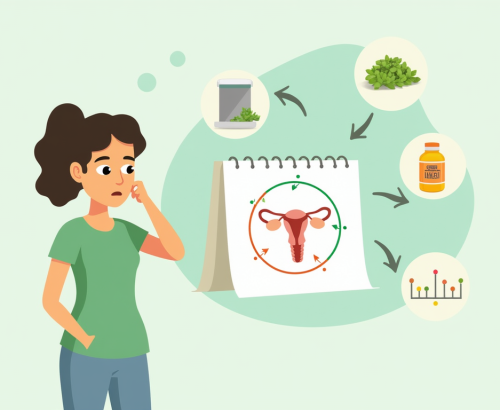
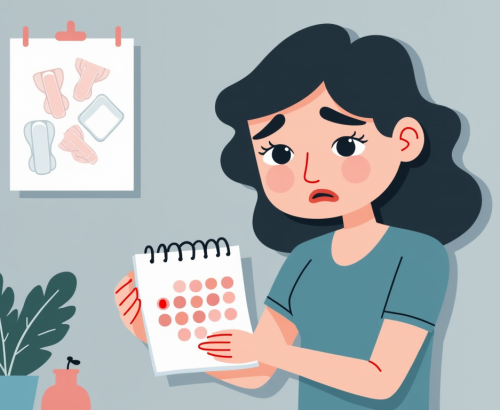
Predict Heavy Days: Keep track of your menstrual cycle to anticipate heavy flow days. This helps you prepare with extra protection.
Dealing with Period Stains
Immediate Action
Cold Water Rinse: Rinse stains with cold water as soon as possible. Cold water helps prevent the blood from setting into the fabric.
Avoid Hot Water: Do not use hot water, as it can set the stain.
Stain Removers
Hydrogen Peroxide: Apply a small amount of hydrogen peroxide to the stain and let it sit for a few minutes before rinsing with cold water. Test on a small area first to ensure it doesn’t bleach the fabric.
Baking Soda Paste: Make a paste with baking soda and water, apply it to the stain, let it sit, and then rinse with cold water.
Stain Remover Products: Use commercial stain removers designed for removing blood stains. Follow the product instructions for the best results.
Laundry Tips
Pre-Soak: Soak stained clothing in cold water before washing. Add a bit of mild detergent or stain remover to the soak.
Gentle Cycle: Wash stained items on a gentle cycle with cold water. Avoid using harsh detergents that can damage the fabric.
Additional Tips
Emergency Kit
On-the-Go Supplies: Carry a small emergency kit with extra pads, tampons, or a menstrual cup, wet wipes, hand sanitizer, and a spare pair of underwear. This can be a lifesaver if you experience an unexpected leak while out.
Dark Clothing
Choose Dark Colors: Wear dark-colored clothing during your period to make any potential stains less noticeable.
Layering
Extra Layers: Consider layering your clothing, such as wearing shorts under skirts or dresses, for added protection.
Stay Hydrated and Healthy
Hydration and Diet: Drink plenty of water and maintain a healthy diet. Staying hydrated can help reduce bloating and discomfort during your period.