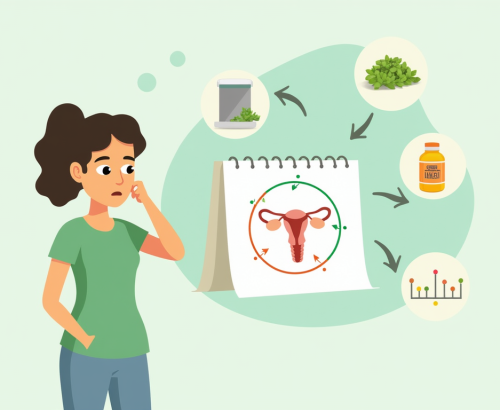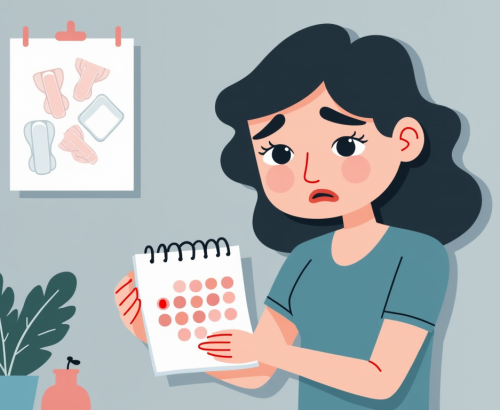

Experiencing a good night’s sleep during your period can be challenging due to cramps, discomfort, and hormonal changes. However, with the right approach, you can improve your sleep quality and wake up feeling refreshed. Here’s how to sleep better during your period with practical and easy-to-follow tips.
Stick to a Consistent Sleep Schedule
Maintaining a regular sleep schedule is crucial for a good night’s sleep. Try to go to bed and wake up at the same time every day, even on weekends. This helps regulate your body’s internal clock, making it easier to fall asleep and wake up feeling rested.
Create a Relaxing Bedtime Routine
A calming bedtime routine signals your body that it’s time to wind down and prepare for sleep. Establish a routine that includes relaxing activities such as reading a book, taking a warm bath, or practicing gentle stretches. Avoid screens and bright lights at least an hour before bedtime, as they can interfere with your body’s ability to produce melatonin, the hormone that regulates sleep.
Use Heat Therapy for Cramps
Menstrual cramps can disrupt your sleep, but heat therapy can help. Apply a heating pad or warm water bottle to your lower abdomen before bed to relax your muscles and ease pain. Alternatively, a warm bath before bedtime can also help relieve cramps and relax your body, making it easier to fall asleep.
Choose Comfortable Bedding
Comfortable bedding can significantly impact your sleep quality. Ensure your mattress and pillows provide good support and are comfortable for your sleeping position. Soft, breathable sheets can also make your bed more inviting and help you stay cozy throughout the night.
Stay Hydrated, But Avoid Excessive Fluids Before Bed
Staying hydrated is important, but drinking too much water right before bed can lead to frequent trips to the bathroom. Aim to drink plenty of water throughout the day and reduce your fluid intake in the evening to prevent sleep interruptions. A well-hydrated body supports overall health and helps with reducing bloating.
Manage Stress and Anxiety
Stress and anxiety can make it difficult to fall asleep and stay asleep. Managing stress is essential for improving your sleep quality. Incorporate relaxation techniques into your bedtime routine, such as deep breathing exercises, meditation, or gentle yoga. These practices can help calm your mind and reduce anxiety, making it easier to fall asleep.
Adjust Your Sleep Environment
Creating a sleep-friendly environment can enhance your ability to rest. Keep your bedroom cool, dark, and quiet to create a comfortable sleep setting. Use blackout curtains to block out light, earplugs to reduce noise, or a white noise machine if you find it helps you sleep better. Ensure your mattress and pillows are in good condition and provide the support you need for a restful night.
Exercise Regularly
Regular physical activity can improve your sleep quality and help alleviate period-related discomfort. Aim for at least 30 minutes of moderate exercise most days of the week. Activities like walking, swimming, or yoga can help reduce cramps and boost your mood. However, try to avoid intense workouts close to bedtime, as they can increase adrenaline levels and make it harder to fall asleep.
Be Mindful of Your Diet
What you eat can impact your sleep quality. Avoid large meals, caffeine, and alcohol close to bedtime, as they can interfere with your ability to fall asleep. Instead, opt for light, easily digestible snacks if you’re hungry before bed. Foods like bananas, almonds, or a small serving of yogurt can be good choices that won’t disrupt your sleep.
Consider Your Menstrual Products
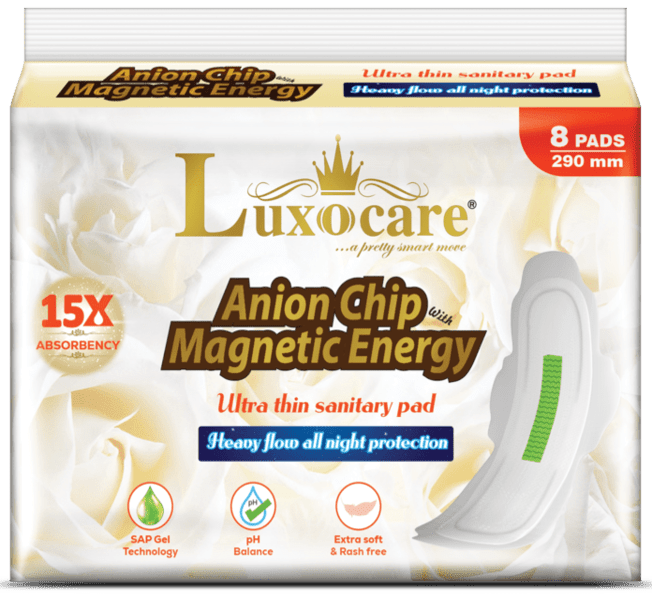
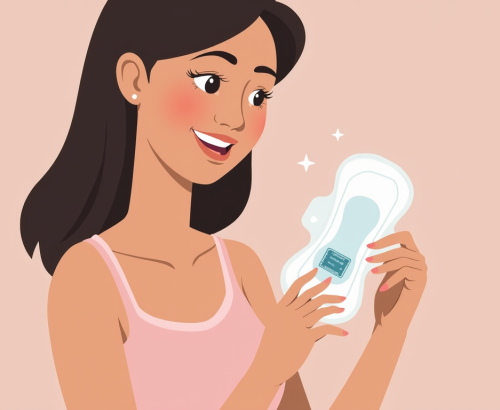
Using comfortable and effective menstrual products can also influence your sleep quality. Choose products that fit your flow and comfort needs, such as pads, tampons, or menstrual cups. Make sure to change them before bed to avoid leaks and discomfort. If you find that certain products are causing irritation or disrupting your sleep, consider switching to alternatives that offer better comfort and protection.